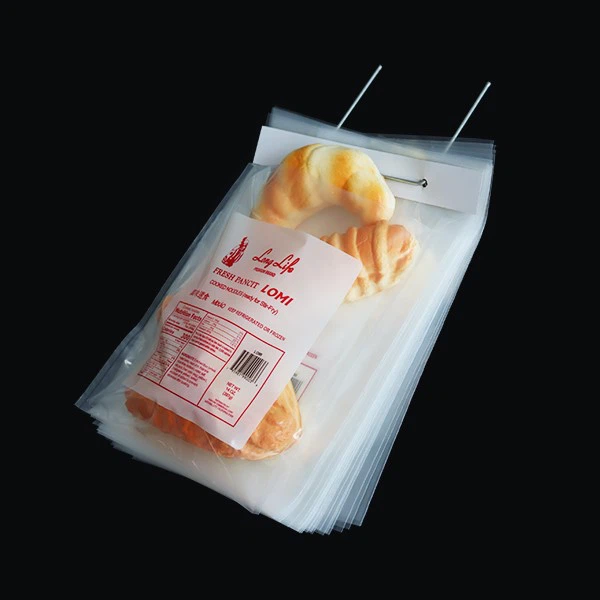


The role of bread bags is mainly reflected in protecting the quality of bread, extending the shelf life, enhancing the brand image, and facilitating transportation and sales. The following are several important functions of bread bags:
1. Keeping bread fresh
The most basic function of bread bags is to keep bread fresh. Bread is easily affected by air, moisture, sunlight and microorganisms, causing it to dry out, mold or lose its original taste. Bread bags prevent moisture, oxygen and bacteria from entering the air through sealed packaging, effectively delaying the deterioration of bread.
Moisture-proof: Some bread bags (such as paper bags, cellophane bags, etc.) have good air permeability, which helps prevent bread from getting damp and deteriorating.
Anti-oxidation: Bags lined with plastic or aluminum foil can effectively isolate the air and reduce the oxidation process of bread.
2. Prevent bread from being compressed and damaged
Bread, especially soft bread or delicate baked goods, is easily compressed during transportation, resulting in damage to the shape. Bread bags can not only avoid this problem, but also prevent bread from breaking or deforming due to friction during transportation.
Compression resistance: Some bread bags, such as reinforced plastic bags or paper bags, have a certain compression strength, which can better protect the shape and structure of bread.
Tear resistance: High-quality bread bag materials (such as polypropylene, polyethylene) can effectively prevent bags from breaking during handling and storage.
3. Enhance brand image
Bread bags are not only packaging tools, but also carriers for brand promotion and display. By printing brand logos, product information, flavor descriptions, etc. on bread bags, merchants can create a professional, clean and healthy brand image in front of consumers. Exquisite design and printing can attract customers' attention and increase their desire to buy.
Customized design: Merchants can choose to print the pattern, name, concept, etc. of the bread brand, and use bread bags as a marketing tool.
Attract customers: Through bright colors, eye-catching patterns or simple and powerful packaging designs, the market competitiveness of products can be improved.
4. Convenient transportation and storage
Bread bags also play a role in facilitating transportation and storage. When mass production and sales, merchants can store and transport multiple loaves of bread in packaging bags, thereby reducing damage and improving work efficiency. For home users, bread bags can help store uneaten bread, keeping it fresh and tidy.
Convenient storage: Bread bags provide convenient storage space for bread, especially at home or in stores, which can reduce the chance of bread being directly exposed to the air.
Easy to carry: The lightweight design of bread bags allows consumers to carry it easily, convenient for going out or giving to others.
5. Improve hygiene and safety
Bread bags provide external protection for bread, preventing bread from direct contact with the external environment. Especially for occasions with high hygiene requirements, such as bakeries, supermarkets or food factories, packaging bags can ensure that bread remains hygienic and safe, reducing the chance of external contamination.
Prevent pollution: Bread bags can prevent dust, bacteria, oil and other contamination in the air from contaminating bread.
Food-grade materials: Qualified bread bag materials are usually food-grade safe and meet relevant food safety standards to ensure that no harmful substances leak during bread packaging.
6. Convenient portion control
Some bread bags can be customized according to the size and shape of the bread, helping merchants to accurately control the amount of each portion when packaging. For example, the size and shape of the bag can be adjusted according to the type of bread, thereby avoiding waste and ensuring the packaging consistency of each product.
Personalized size: The size of the bread bag can be tailored to the needs of different types of bread to ensure the right packaging effect.
Cost saving: Precisely controlling the use of packaging materials and reducing unnecessary waste can help businesses save packaging costs.
7. Increase convenience and flexibility
The design of bread bags makes it easier to pack and take bread. Whether it is a zipper bag, a twist bag or a ziplock bag, it can provide convenient opening and closing functions, and consumers can take it at any time as needed.
Simple closure: Some bags are designed with zippers, twists and other closure methods, which consumers can easily open and reseal to extend the shelf life of bread.
Take it at any time: The design of the bag opening allows consumers to easily take out the required amount of bread without affecting the freshness of the remaining part.
8. Environmental protection effect
With the improvement of environmental awareness, more and more bread bags use degradable or environmentally friendly materials, such as degradable plastic bags, paper bags, etc. This type of bread bag not only reduces plastic pollution, but also conforms to the concept of green environmental protection, helping companies establish a responsible environmental protection image.
Degradable materials: Use biodegradable plastic or paper bags to avoid long-term pollution to the environment.
Environmentally friendly packaging: Meet green packaging standards and attract consumers who are conscious of environmental protection.
The role of bread bags is not only to provide a container for bread, but also a multifunctional tool to extend the freshness of bread, enhance brand image, ensure hygiene and safety, and facilitate storage and transportation. Whether in a commercial sales environment or in home use, bread bags are an important tool for packaging and maintaining the quality of bread. In addition, with the improvement of environmental awareness, more and more environmentally friendly bread bags are being widely used, promoting the sustainable development of the industry.