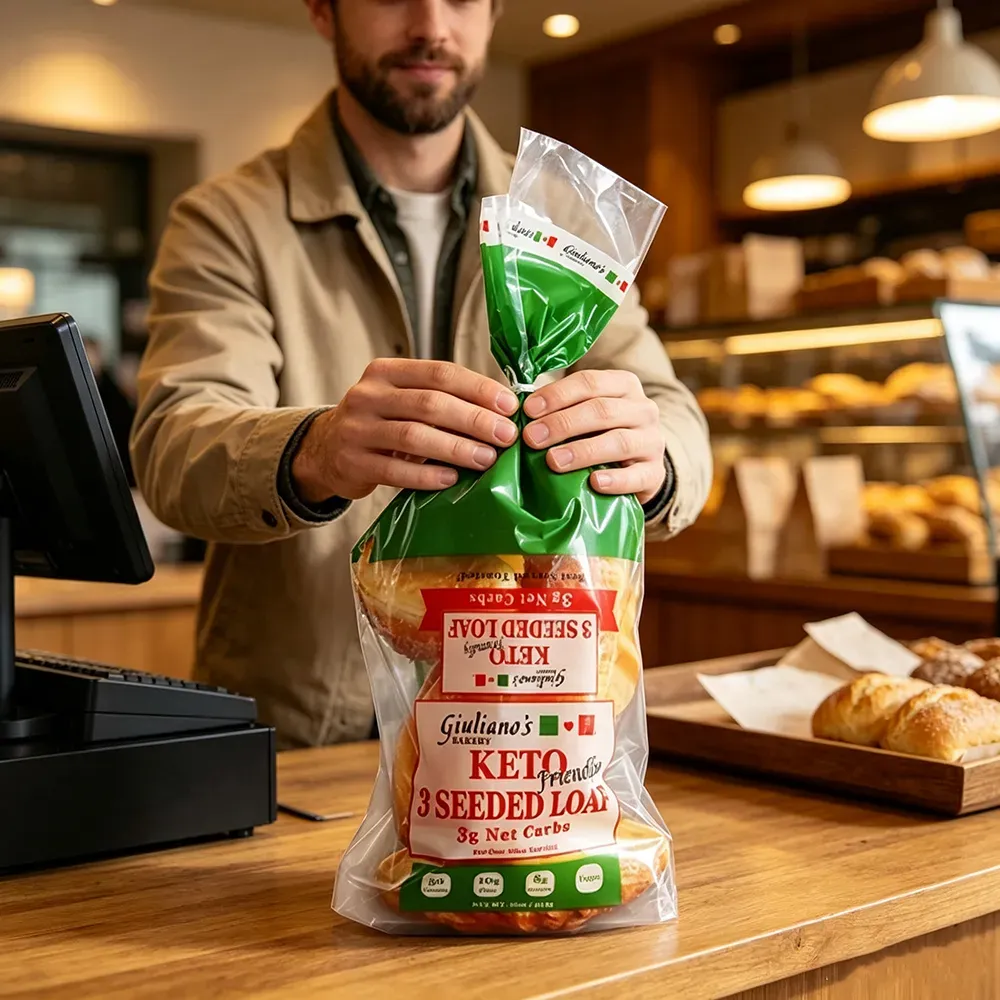

Custom Bread Packaging is designed to provide bakery brands, food manufacturers, wholesalers, distributors, and retailers with flexible packaging solutions for different types of bread and bakery products. The packaging can be customized in terms of material, size, thickness, printing, bag style, and sealing method according to specific product and branding requirements.
As a professional plastic packaging solution, Custom Bread Packagingcombines product protection with brand presentation. Clear, printed, or fully customized bread bags can help protect bread during storage and transportation while providing space for logos, product information, and promotional graphics.
Key Takeaways
🥖 Customized Design: Size, thickness, material, printing, and bag style can be customized.
🖨️ Custom Printing: Supports logos, brand colors, product information, and promotional designs.
🛡️ Product Protection: Helps protect bread from dust, moisture, and external contamination.
🍞 Freshness Support: Packaging structures can be selected according to different bread types.
🧪 Food-Contact Materials: Suitable food-grade materials can be selected according to market requirements.
📦 Multiple Applications: Suitable for sliced bread, sandwich bread, baguettes, rolls, burger buns, and other bakery products.
🌱 Material Options: Conventional plastic, recycled-content, biodegradable, or other material options may be available depending on requirements.
Custom Bread Packaging: Context And History
Bread has traditionally been packaged using paper, cloth, cardboard, and other basic materials. As modern food distribution developed, plastic packaging became increasingly common because of its flexibility, lightweight structure, transparency, and ability to provide protection.
The development of modern Custom Bread Packaging has allowed bakeries and food brands to move beyond standard packaging. Instead of using one-size-fits-all bread bags, businesses can now select packaging according to product size, shelf presentation, transportation requirements, and branding strategies.
With the growth of supermarkets, private-label bakery products, e-commerce, and international food distribution, customized bakery packaging has become increasingly important for businesses that need consistent product presentation and efficient packaging performance.
What Is Custom Bread Packaging?
Custom Bread Packaging refers to bread bags and other bakery packaging products manufactured according to a customer's specific requirements.
Unlike standard bread bags, customized packaging can be produced with different dimensions, materials, thicknesses, colors, printing designs, openings, sealing methods, and packaging formats.
Depending on the application, Custom Bread Packaging may include:
Custom bread bags
Custom printed bread bags
Clear bread bags
Printed plastic bread bags
Micro-perforated bread bags
Bread bags with sealing options
Bakery product packaging bags
Private-label bread packaging
Customized bags for rolls and buns
This flexibility allows wholesale buyers and bakery brands to develop packaging that matches both their products and their brand identity.
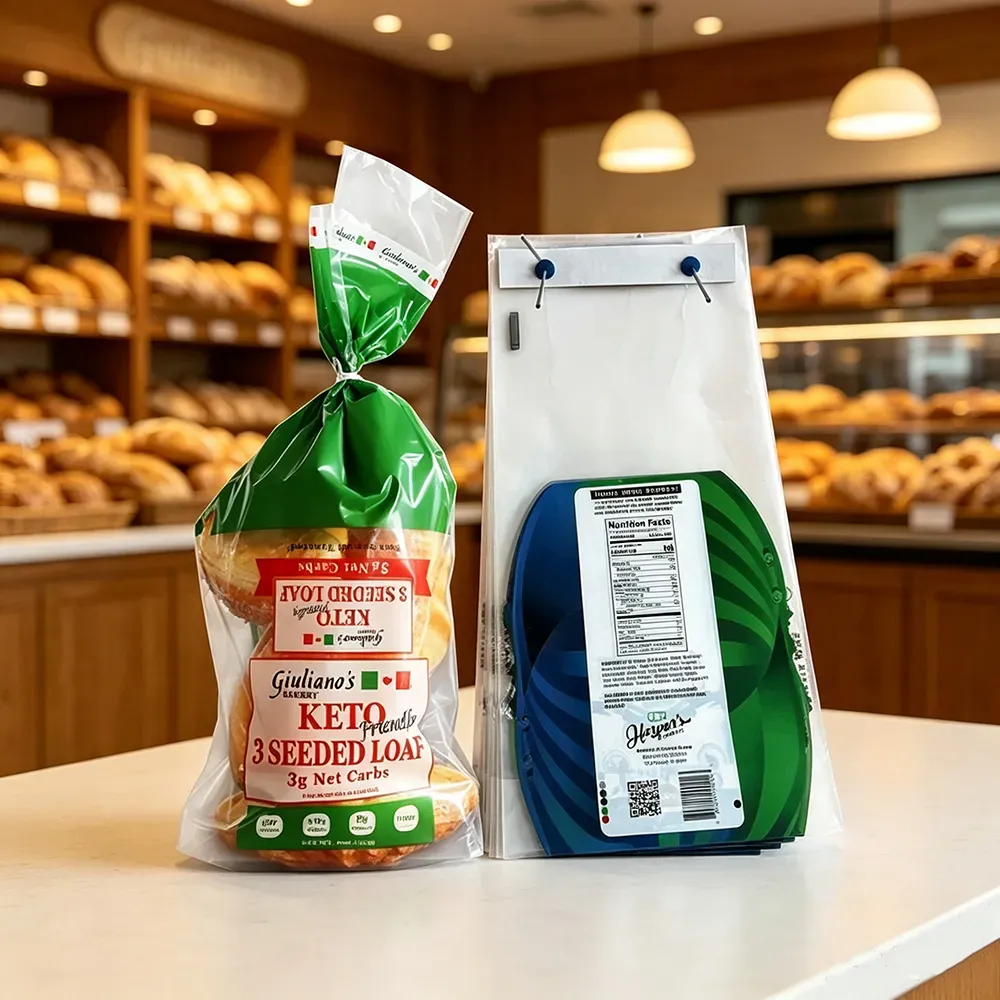
The Importance of Custom Bread Packaging in Food Packaging
Packaging plays an important role in maintaining the quality and presentation of bakery products.
For bread manufacturers and bakeries, Custom Bread Packaging can provide a practical barrier between the product and the external environment. Depending on the material and design, packaging can help reduce exposure to dust, dirt, moisture, and physical handling.
Customized packaging is also important for branding. A professionally printed bread bag can communicate the bakery's brand identity directly to consumers.
For wholesale buyers, customized packaging can also improve product differentiation. Different bread varieties can use different colors, graphics, sizes, or printing designs, making product lines easier to identify.
Custom Bread Packaging vs. Standard Bread Bags
Standard bread bags usually come in fixed sizes and designs, making them suitable for general applications. However, they may not provide enough flexibility for businesses with specific product or branding requirements.
Custom Bread Packaging allows buyers to control dimensions, materials, thickness, printing, and other specifications. This makes it more suitable for bakery brands, food manufacturers, wholesalers, and private-label businesses that need a consistent packaging solution.
Using Custom Bread Packaging for Storage and Packaging
Custom Bread Packaging can be used for both daily bakery packaging and larger-scale food production.
During packaging, bread can be placed into bags manually or through suitable packaging equipment, depending on production volume and bag design.
For storage and transportation, properly selected packaging can help protect bread from external contamination and physical handling. The appropriate material and sealing method should be selected according to the bread type and expected storage environment.
For products that require ventilation or moisture management, specially designed perforated or micro-perforated bags may be considered.
Composition: Food-Grade and Flexible Packaging Materials
The composition of Custom Bread Packaging depends on the intended application, product requirements, and target market.
Common considerations include:
Material type
Film thickness
Transparency
Flexibility
Sealing performance
Printing compatibility
Food-contact requirements
Recycling or sustainability requirements
The packaging manufacturer can recommend a suitable structure based on the weight, shape, moisture characteristics, and distribution conditions of the bakery product.
Common Materials Used in Custom Bread Packaging
Common materials may include:
LDPE:
Flexible, lightweight, and transparent, making it suitable for many bread bag applications.
HDPE:
Provides good strength and stiffness and can be considered for applications requiring a more rigid bag structure.
PP:
Offers good clarity and strength and may be used for certain bakery packaging applications.
CPP:
Provides good transparency and heat-sealing properties and can be used in suitable food packaging structures.
Recycled Materials:
Recycled-content materials may be considered when the target market and product requirements allow their use.
Biodegradable or Compostable Materials:
For businesses with specific sustainability goals, alternative materials may be available depending on required certifications and end-use conditions.
Characteristics of Custom Bread Packaging
The main characteristics of Custom Bread Packaging include:
🥖 Flexible Size Options
Bag dimensions can be customized according to the size and shape of different bread products.
🖨️ Custom Printing
Logos, brand graphics, product information, and other artwork can be printed according to customer requirements.
🔍 Clear Product Visibility
Transparent films can allow consumers to see the bread inside the package.
🛡️ Protective Performance
Suitable packaging can help reduce exposure to dust, moisture, and external contamination.
💧 Moisture Management
Perforated or micro-perforated designs can be considered for products requiring controlled airflow.
🔥 Heat Sealing
Suitable films can support heat-sealing processes for efficient packaging operations.
📦 Lightweight Structure
Plastic bread bags are lightweight and can help reduce packaging volume and transportation weight.
Advantages of Custom Bread Packaging
1. Stronger Brand Recognition
Printed packaging allows businesses to display their logo, colors, product information, and other branding elements directly on the bag.
2. Product-Specific Packaging
The size, material, and thickness can be developed according to different bread products.
3. Better Product Presentation
Clear or printed packaging can improve product visibility and shelf appeal.
4. Flexible Material Selection
Buyers can select materials based on product requirements, food-contact needs, cost targets, and sustainability goals.
5. Improved Packaging Efficiency
Correctly sized bags can reduce unnecessary packaging material and make filling and sealing more efficient.
6. Support for Private Labels
Customized printing makes the packaging suitable for supermarket brands, bakery chains, distributors, and private-label products.
7. Bulk Purchasing Benefits
For wholesale buyers, customized production can provide better control over specifications, repeat orders, and long-term packaging supply.
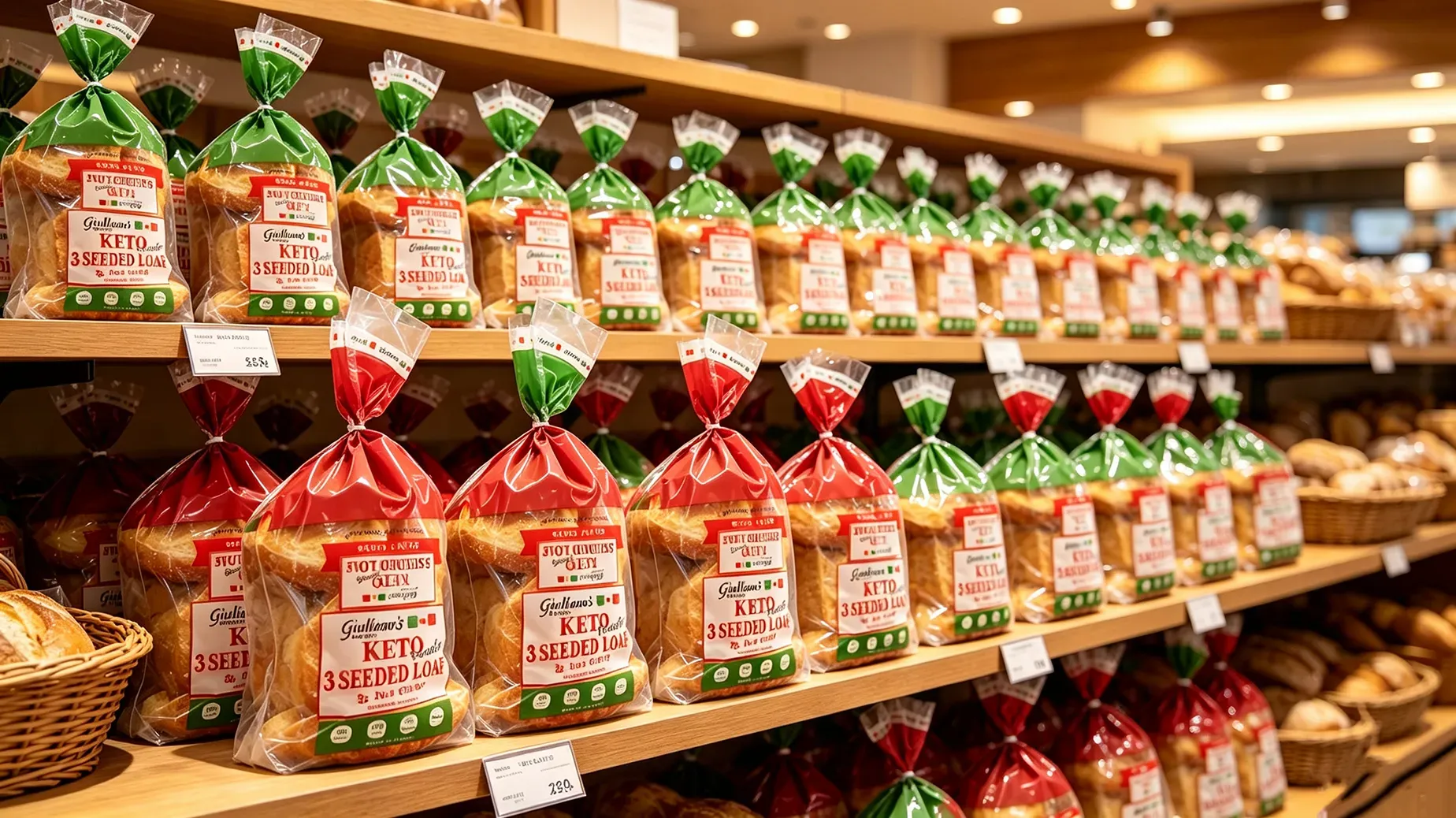
Application Scenarios for Custom Bread Packaging
Custom Bread Packaging can be used for a wide range of bakery products and commercial applications.
🥪 Sliced Bread
Suitable for sandwich bread, toast, whole wheat bread, and other sliced bakery products.
🥖 Baguettes
Longer customized bags can be produced according to baguette dimensions.
🍔 Burger Buns
Suitable for individual or multi-pack burger bun packaging.
🥯 Rolls and Buns
Customized bags can be used for bread rolls, dinner rolls, and other small bakery products.
🥐 Specialty Bakery Products
Suitable packaging can be developed for croissants, pastries, and other bakery products depending on their requirements.
🏪 Bakeries
Ideal for independent bakeries and bakery chains that require branded packaging.
🛒 Supermarkets and Retailers
Printed packaging can support private-label bakery products and retail presentation.
📦 Food Distributors
Suitable for businesses that purchase bakery packaging in bulk for multiple customers or distribution channels.
How to Use Custom Bread Packaging Effectively
To achieve the best packaging performance, businesses should select the bag specifications according to the actual bread product.
First, measure the length, width, height, and weight of the bread. Then select an appropriate bag size with enough space for filling and sealing.
The material thickness should also be selected according to the product weight, handling requirements, and transportation conditions.
For products sensitive to moisture, buyers can discuss ventilation requirements with the manufacturer and consider suitable perforation options.
Printing artwork should be checked carefully before mass production to ensure that logos, text, colors, and other important information are correct.
H3: Storage Method
Unused Custom Bread Packaging should be stored in a clean, dry, and well-ventilated environment.
Keep packaging away from direct sunlight, excessive heat, moisture, chemicals, and sharp objects.
Packaging should remain in its original protective packaging until it is ready for use. Proper storage helps maintain film quality and printing appearance.
How to Dispose of Custom Bread Packaging
The disposal method depends on the material used and local waste-management regulations.
For recyclable plastic packaging, buyers should follow the recycling requirements applicable to the target market.
If biodegradable or compostable materials are used, the packaging should only be described and disposed of according to the applicable certification and local waste-management conditions.
Businesses should avoid making general environmental claims without appropriate material specifications or certification.
For large-scale commercial operations, packaging suppliers can help buyers identify suitable material options according to their sustainability requirements.
Choosing Custom Bread Packaging
When choosing Custom Bread Packaging, wholesale buyers should consider the following factors:
Product Requirements
Consider bread size, weight, shape, moisture level, and expected shelf life.
Material
Choose the material according to flexibility, strength, transparency, sealing, food-contact requirements, and cost.
Bag Size
The bag should provide enough space for the bread without excessive unused material.
Thickness
Select the appropriate thickness according to product weight, transportation conditions, and handling requirements.
Printing
Consider logo placement, printing colors, artwork, product information, and branding requirements.
Perforation
For specific bakery products, perforated or micro-perforated designs may help manage moisture and airflow.
Food Safety
Confirm whether the selected materials and inks meet the requirements of the intended food-contact application and target market.
MOQ
Wholesale buyers should confirm the minimum order quantity before production.
Quality Control
Ask the manufacturer about raw material inspection, film production, printing inspection, sealing performance, and finished-product inspection.
Samples
Request samples before placing a large order to confirm size, material, printing, and overall packaging performance.
Conclusion
Custom Bread Packaging provides bakeries, food manufacturers, distributors, wholesalers, and retailers with a flexible way to protect bakery products while strengthening brand presentation.
From material selection and customized dimensions to printing, perforation, food-contact requirements, and bulk production, every aspect of the packaging can be developed according to the buyer's requirements.
The right Custom Bread Packaging should balance product protection, freshness management, visual appeal, food safety, packaging efficiency, and cost.
For wholesale buyers, working directly with an experienced packaging manufacturer can make it easier to develop consistent specifications, manage repeat orders, and create packaging that supports both product performance and long-term brand development.
FAQ
1. What is Custom Bread Packaging?
Custom Bread Packaging refers to bread bags or bakery packaging manufactured according to specific requirements for size, material, thickness, printing, sealing, and other specifications.
2. What materials are commonly used for custom bread bags?
Common options include LDPE, HDPE, PP, CPP, and other suitable food-contact packaging materials. The best choice depends on the product and application.
3. Can Custom Bread Packaging be printed with a logo?
Yes. Custom bread bags can be printed with logos, brand colors, product information, graphics, barcodes, and other artwork according to the customer's requirements.
4. Can I customize the size of bread packaging?
Yes. Bag length, width, thickness, opening, and other specifications can be customized according to the size and shape of the bread.
5. Can custom bread bags have perforations?
Yes. Perforated or micro-perforated designs can be considered for bakery products that require specific airflow or moisture-management characteristics.
6. Are Custom Bread Packaging bags food safe?
Suitable food-contact materials can be selected according to the intended application and target market. Buyers should confirm applicable compliance documentation with the manufacturer.
7. What bakery products can use custom bread packaging?
They can be used for sliced bread, sandwich bread, baguettes, burger buns, rolls, specialty bakery products, and other suitable food products.
8. What is the MOQ for Custom Bread Packaging?
MOQ depends on bag size, material, printing method, printing colors, and production requirements. Buyers should confirm the MOQ with the manufacturer before placing an order.
9. Can custom bread packaging be used for private-label products?
Yes. Customized printing makes these bags suitable for bakeries, supermarket brands, food distributors, and private-label bakery products.
10. Can biodegradable or compostable materials be used?
Depending on the application and required certifications, biodegradable or compostable material options may be available. The material's actual certification and disposal conditions should be confirmed before making environmental claims.