A Systematic Approach from Design Input to Production Release
Quick Summary:
The successful development of custom poly bags is not a linear transaction but a controlled process that demands structured management. This article outlines a complete process development and management procedure for custom poly bags, covering five critical stages: requirements definition, design and engineering review, tooling and sampling, production validation, and mass production release. For each stage, we define the key activities, responsible functions, required deliverables, and approval checkpoints. Whether you are a procurement professional or a supplier project manager, this framework provides a practical template for managing custom bag projects with consistency, traceability, and predictable outcomes.
1. Why Process Management Matters in Custom Poly Bags
Custom poly bags are engineered products, not commodities. A seemingly simple change in bag dimensions, material structure, or print design can trigger cascading effects on material sourcing, tooling lead time, production efficiency, and final quality.
Without a structured process management system, custom projects commonly experience:
Scope creep: Incomplete requirements lead to repeated design changes after tooling has started
Unclear accountability: No clear handoff between commercial, engineering, and production teams
Delayed issue detection: Problems such as material incompatibility or print misregistration are discovered only during mass production
Inconsistent quality: Lack of a controlled golden sample and process parameters leads to batch-to-batch variation
A well-defined Process Development and Management Procedure addresses these risks by establishing clear stages, deliverables, and decision gates.
2. The Five-Stage Process Management Framework
| Stage | Name | Primary Objective | Key Output | Approval Gate |
|---|---|---|---|---|
| 1 | Requirements Definition | Capture full commercial and technical specifications | Product Specification Sheet | Commercial approval |
| 2 | Design & Engineering Review | Validate manufacturability, material structure, and tooling feasibility | Feasibility Report, Technical Drawings | Engineering approval |
| 3 | Tooling & Sampling | Produce samples for form, fit, and function validation | Physical Samples, Test Reports | Sample approval (Golden Sample) |
| 4 | Production Validation | Verify process capability and quality consistency under production conditions | Pilot Run Report, Process Control Plan | Pilot approval |
| 5 | Mass Production Release | Release to routine manufacturing with controlled quality and delivery | First Article Inspection, Production Release | Final release |
3. Requirements Definition
3.1 Objective
To establish a complete, unambiguous set of commercial and technical requirements before any engineering work begins.
3.2 Key Activities
| Activity | Description | Responsible Party |
|---|---|---|
| Commercial requirements | Define target price, annual volume, delivery schedule, and logistics requirements | Buyer / Procurement |
| Technical specifications | Document bag dimensions, material structure, thickness, print colors, bag type (side seal, bottom seal, stand-up, zipper, etc.) | Buyer / Product Development |
| Regulatory requirements | Specify target market(s) and applicable food contact, recycling, or labeling regulations | Buyer / Compliance |
| Application conditions | Define content type (solid, liquid, powder), storage conditions (ambient, frozen), filling method (manual, automated), and end-use requirements | Buyer / Product Development |
3.3 Key Deliverable: Product Specification Sheet
A formal Product Specification Sheet should be signed off by both buyer and supplier. Minimum contents include:
Bag type and dimensions (with tolerances)
Material structure (e.g., PET 12μm / AL 9μm / PE 70μm)
Thickness (total and per layer where applicable)
Print specifications (colors, registration, artwork files)
Closure type (zipper, press-to-close, none)
Regulatory compliance requirements
Annual volume and MOQ
Approval Gate
Commercial Approval: Both parties confirm that the specification sheet accurately reflects all requirements before proceeding to engineering review.
4. Design & Engineering Review
4.1 Objective
To validate that the specified design is manufacturable, cost-effective, and compliant, and to define the optimal tooling and process approach.
4.2 Key Activities
| Activity | Description | Responsible Party |
|---|---|---|
| Material feasibility | Confirm availability of specified materials; evaluate alternative structures for cost or lead time optimization | Supplier Engineering |
| Printing feasibility | Assess artwork for registration requirements, color separation, and plate-making complexity | Supplier Graphics / Engineering |
| Bag structure review | Evaluate seal widths, gusset design, zipper placement, and overall geometry for production efficiency | Supplier Engineering |
| Tooling strategy | Define mold/plate type (sample tooling vs. production tooling, gravure vs. flexo) based on volume and complexity | Supplier Engineering |
| Cost and timeline estimation | Provide updated costing and detailed project timeline based on confirmed design | Supplier Project Management |
4.3 Technical Considerations
Heat Seal Compatibility: The inner seal layer must be compatible with the intended filling equipment and product type
Zipper Placement: Zipper position must account for bag geometry and filling clearance
Print-to-Bag Registration: Critical for designs where print must align with bag features (e.g., window placement, zipper end stops)
Shrinkage Compensation: Different materials shrink at different rates during processing; the design must account for final dimensions after cooling
4.4 Key Deliverable: Feasibility Report
The Feasibility Report should include:
Confirmed material structure with sourcing plan
Confirmed tooling type and estimated lead time
Risk assessment (technical, timeline, cost)
Updated project timeline with milestones
Approval Gate
Engineering Approval: Both parties sign off on the feasibility report and technical drawings before tooling fabrication begins.
5. Tooling & Sampling
5.1 Objective
To fabricate tooling/plates, produce first samples, and validate that the samples meet all specified requirements.
5.2 Key Activities
| Activity | Description | Responsible Party |
|---|---|---|
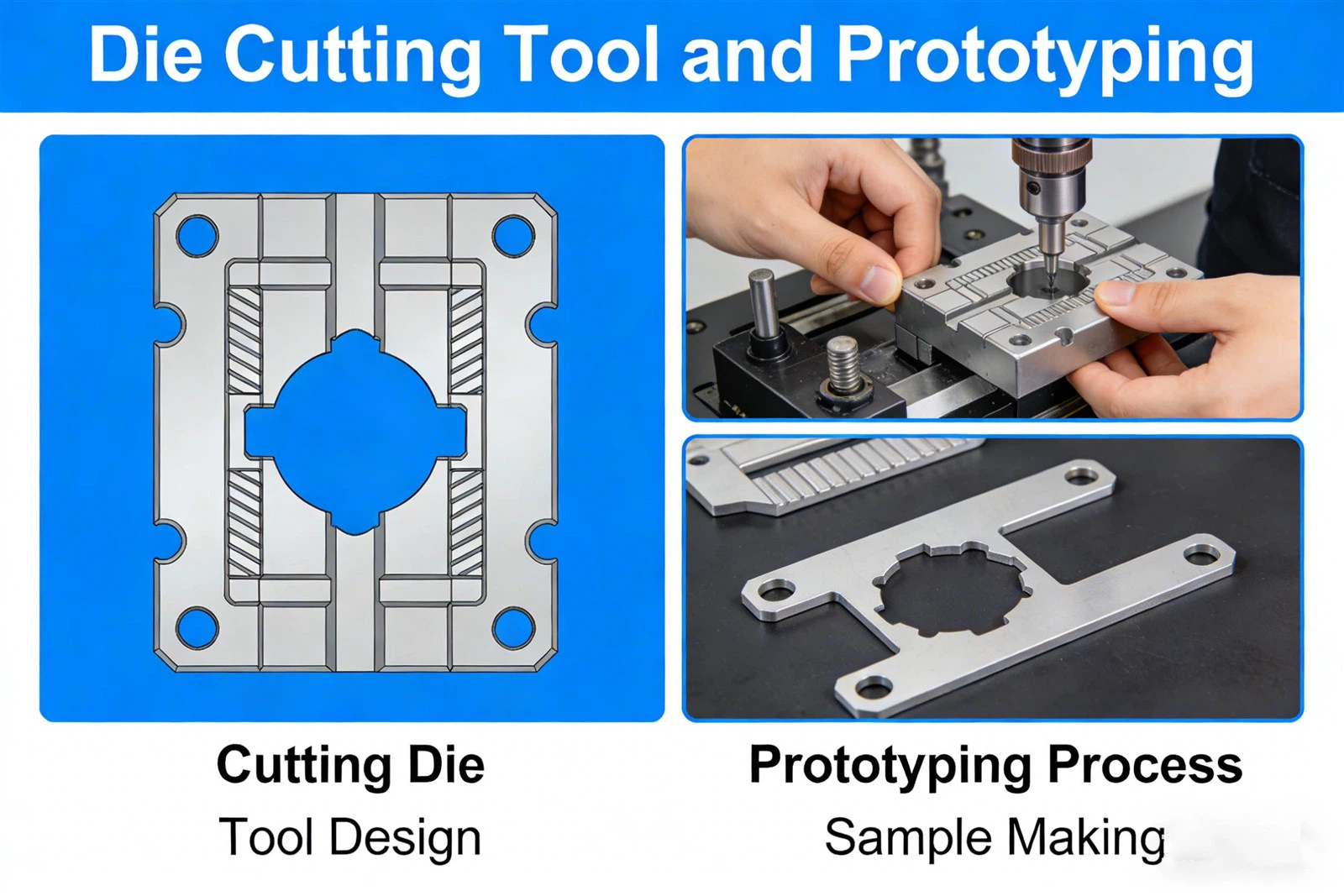
| Plate/tooling fabrication | Manufacture printing cylinders or plates and bag-making tooling according to approved designs | Supplier Manufacturing |
| Sample production | Run samples under controlled conditions using the new tooling | Supplier Production |
| Dimensional inspection | Measure all critical dimensions against the specification sheet | Supplier QC |
| Functional testing | Perform heat seal strength, zipper function, and other required tests | Supplier QC / Third-party lab |
| Sample submission | Submit samples with inspection and test reports for buyer evaluation | Supplier Project Management |
5.3 Sample Types
| Sample Type | Purpose | When Used |
|---|---|---|
| Initial Sample | First physical output to confirm basic structure and dimensions | Early feasibility check |
| Corrective Sample | Revised sample after initial modifications | After first-round feedback |
| Golden Sample | Final approved sample that becomes the standard for mass production | At final approval |
5.4 Key Deliverable: Golden Sample and Test Reports
The golden sample is the most critical deliverable in the entire process. It must be:
Physically sealed and labeled with a unique identifier
Accompanied by a dimensional inspection report and functional test results
Signed off by both parties as the reference for mass production quality
Approval Gate
Sample Approval: Buyer formally approves the golden sample and all accompanying documentation. No further design or specification changes are permitted after this gate.
6. Production Validation (Pilot Run)
6.1 Objective
To verify that the approved design can be consistently reproduced under actual production conditions, using production-scale equipment and processes.
6.2 Key Activities
| Activity | Description | Responsible Party |
|---|---|---|
| Pilot run planning | Define pilot quantity (typically 1–5% of annual volume), production line, and quality inspection plan | Supplier Production / QC |
| Process parameter locking | Record and lock heat seal temperature, pressure, speed, tension, and other critical parameters | Supplier Engineering |
| In-process inspection | Monitor and record dimensional stability, seal strength, and print quality throughout the pilot run | Supplier QC |
| Post-run inspection | Conduct full inspection of pilot run samples; compare to golden sample | Supplier QC / Buyer (optional) |
| Process capability assessment | Evaluate whether the process can consistently meet specifications (CpK analysis where applicable) | Supplier Quality Engineering |
6.3 Critical Validation Points
| Parameter | What to Validate | Acceptance Criteria |
|---|---|---|
| Dimensions | Bag length, width, seal width, zipper position | Within specification tolerance |
| Heat Seal Strength | Seal strength at multiple points across the bag | ≥ minimum specified value |
| Zipper Function | Opening force, closing force, seal integrity | Consistent with golden sample |
| Print Registration | Front-to-back registration, color match | Within ±0.5mm or as specified |
| Material Integrity | No delamination, pinholes, or defects | Visual inspection, no defects |
6.4 Key Deliverable: Pilot Run Report
The Pilot Run Report should document:
Pilot run parameters and conditions
In-process and final inspection results
Comparison to golden sample
Any deviations and corrective actions taken
Recommendation for mass production release
Approval Gate
Pilot Approval: Supplier confirms process stability, and buyer approves the pilot run results before mass production begins.
7. Stage 5: Mass Production Release
7.1 Objective
To release the project to routine mass production with controlled processes, clear quality standards, and established communication protocols.
7.2 Key Activities
| Activity | Description | Responsible Party |
|---|---|---|
| First Article Inspection (FAI) | Inspect the first units of the mass production run against the golden sample | Supplier QC / Buyer |
| Production scheduling | Integrate the project into regular production planning | Supplier Production Planning |
| Process control plan | Define in-process inspection frequency, sampling plans, and response protocols | Supplier Quality Engineering |
| Packaging specification | Define carton packing configuration, palletizing, and labeling for shipment | Supplier Logistics / Buyer |
| Production release | Formal release of the project to routine production | Supplier Project Management |
7.3 Quality Control During Mass Production
| Control Point | Frequency | Responsible |
|---|---|---|
| Incoming material inspection | Per batch | Supplier QC |
| In-process dimensions & seal | Every shift or as per control plan | Supplier QC |
| Print quality | Every roll or as per control plan | Supplier QC |
| Finished goods inspection | Per batch, AQL sampling | Supplier QC |
| First Article Inspection | Start of each production batch | Supplier QC / Buyer |
7.4 Key Deliverable: Production Release Authorization
Formal authorization to proceed with mass production, including:
Confirmed production schedule
Approved process control plan
Approved packaging and shipping specifications
Escalation process for quality issues
Approval Gate
Final Release: Project is formally closed from development and transferred to routine production management.
8. Roles and Responsibilities Summary
| Role | Key Responsibilities |
|---|---|
| Buyer / Procurement | Define commercial and technical requirements; approve specifications, samples, and pilot run; coordinate internal approvals |
| Supplier Project Manager | Own the overall project timeline; coordinate internal functions; act as single point of contact for the buyer |
| Supplier Engineering | Perform feasibility review; define tooling strategy; lock process parameters |
| Supplier Graphics | Prepare artwork; manage plate-making; verify print feasibility |
| Supplier Quality | Conduct inspections; manage golden sample; perform process capability analysis; lead pilot run validation |
| Supplier Production | Execute sampling, pilot run, and mass production; maintain process control |
9. Common Process Management Failures and Prevention
| Failure Mode | Typical Cause | Prevention |
|---|---|---|
| Incomplete requirements | Buyer provides only a sketch without dimensions or material specs | Mandate a formal Product Specification Sheet before stage 2 |
| Skipping feasibility review | Supplier starts tooling immediately to accelerate timeline | Require a signed Feasibility Report before tooling order |
| Premature sample approval | Buyer approves sample without discussing tolerances or functional tests | Define acceptance criteria and require test reports with sample submission |
| No golden sample | Both parties rely on email communication and memory | Create, label, and sign off a physical golden sample |
| No pilot run | Supplier moves directly from sample to mass production | Mandate a pilot run with formal report for all new tooling projects |
| Uncontrolled process changes | Production modifies parameters without approval | Lock process parameters after pilot run; require change control for any modifications |
10. Process Management as a Competitive Advantage
For custom packaging poly bags, a structured process development and management procedure is not a bureaucratic overhead - it is a competitive advantage. Suppliers who operate with disciplined stage-gate processes deliver:
Faster time-to-market by reducing revision loops
Lower total cost by preventing tooling rework and production waste
Consistent quality through controlled processes and clear standards
Stronger buyer confidence through transparency and traceability
For buyers, selecting a supplier with a mature process management system reduces project risk and ensures that custom packaging investments deliver the expected commercial returns.