
Why Using Vacuum Seal Bags Correctly Matters
When used properly, vacuum seal bags can:
Extend food shelf life 3–5x longer than regular storage
Prevent freezer burn and dehydration
Preserve nutrients and flavor
Save money by reducing waste
But one small mistake-like leaving moisture in the bag-can ruin your food and defeat the purpose entirely.
Common Mistakes to Avoid When Using Vacuum Seal Bags
Mistake 1: Forgetting to Leave Enough Headroom
Many first-time users fill the bag to the top.
When vacuum sealing, liquid and small food particles get pulled toward the seal area, preventing a tight closure.
How to do it correctly:
Leave at least 2–3 inches (5–7 cm) of empty space above the food. This gives the bag room to compress without breaking the seal.
Mistake 2: Sealing Wet or Juicy Foods Without Precautions
Raw meat, fish, or marinated items contain moisture.
Liquid can be sucked into the vacuum pump, damaging the machine or causing weak seals.
How to do it correctly:
Pre-freeze juicy foods for 1–2 hours before sealing
Use the moist/moist food setting if your sealer has one
Place a paper towel inside the top of the bag to catch excess liquid
Mistake 3: Overfilling the Bag
An overfilled bag prevents proper vacuum suction.
It also leaves less room for the seal bar to close completely.
How to do it correctly:
Fill only two-thirds of the bag's capacity.
For dense items like meat or cheese, leave even more space so the bag can mold around the food.
Mistake 4: Using the Wrong Type of Bag
Not all bags are the same.
Cheap, low-quality bags or smooth-sided zipper bags often fail under vacuum pressure.
How to do it correctly:
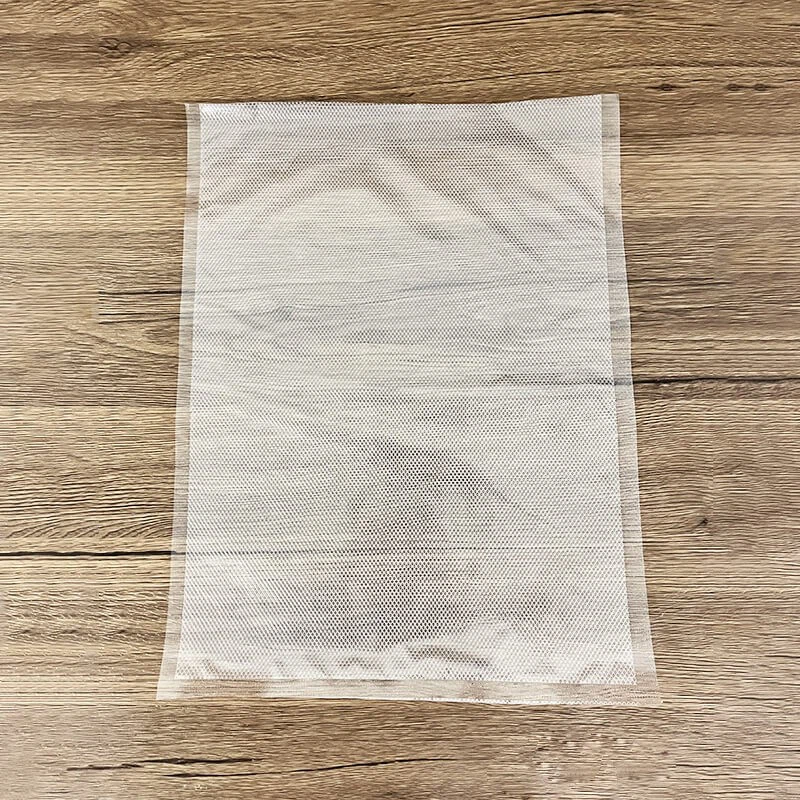
Use textured or channeled vacuum seal bags that allow air to escape properly.
Always check that the bags are BPA-free and designed for your sealer brand (or universal).
Mistake 5: Sealing Powdery Foods (Flour, Spices) Incorrectly
Powders fly into the vacuum channel, blocking the seal or damaging the pump.
How to do it correctly:
Place a coffee filter or fine mesh screen above the powder inside the bag
Better yet: pre-freeze powders or seal them in a smaller bag inside the main vacuum bag
Mistake 6: Ignoring Sharp Edges
Bones (from chops or ribs) or hard pasta edges can puncture the bag during vacuum or storage.
How to do it correctly:
Wrap sharp edges with a small piece of paper towel or parchment paper
Double-bag if necessary
Use vacuum canisters for sharp, dense items
Mistake 7: Reusing Bags That Held Raw Meat or Fish
Reusing bags saves money, but cross-contamination is a real risk.
Even after washing, raw meat bags can trap bacteria in the textured channels.
How to do it correctly:
Reuse bags only for dry, non-risky foods (nuts, dried fruit, crackers)
Always wash with hot soapy water and dry completely
Never reuse raw meat, fish, or poultry bags
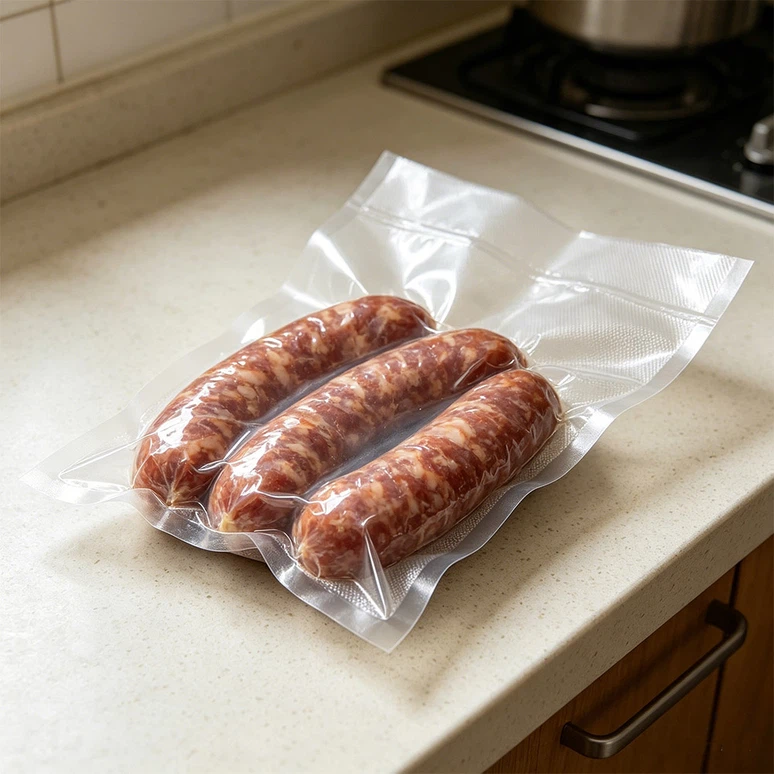
Quick Checklist: How to Use Vacuum Seal Bags for Food Correctly
Before sealing, ask yourself:
Is there enough headroom (2–3 inches)?
Is the food too wet or too powdery?
Are there sharp edges?
Is the seal bar clean and dry?
Am I using a textured vacuum seal bag?
If you answered "yes" to all the right precautions → you're ready to seal.
FAQ – Common Questions About Vacuum Seal Bags
Can I vacuum seal liquids like soup or broth?
Yes, but freeze them first into a solid block, then vacuum seal.
Alternatively, use a chamber vacuum sealer for liquids.
How long do vacuum-sealed foods last in the freezer?
Meat: 2–3 years (vs. 6–12 months normally)
Vegetables: 2–3 years
Soups/stews: 1–2 years
Can I boil or sous vide in vacuum seal bags?
Yes – as long as the bag is labeled BPA-free and boil-safe.
Most textured vacuum bags are safe for sous vide up to 185°F (85°C).
Summary
As long as you avoid these 7 common pitfalls, learning how to properly use food vacuum sealer bags is actually quite simple.
Mastering the correct techniques will not only keep your food fresher for longer and extend the lifespan of your machine, but it will also save you money.
✅ Choose high-quality vacuum bags
✅ Leave sufficient space for sealing
✅ Watch out for moisture and sharp edges
✅ Never reuse bags that have held raw meat