


Fresh fruit packaging plays an important role in product handling, transportation, storage, and retail presentation. For fruit growers, distributors, supermarkets, and food packaging companies, choosing suitable packaging can help maintain product quality and improve packing efficiency. One practical option is perforated wicket bags, which combine ventilation holes with a convenient bag-dispensing design.
Perforated Wicket Bags For Fruit are plastic bags with small holes that allow air to move through the packaging. The bags are attached to a wicket or holder, enabling workers to remove and open them one at a time. This design is especially useful in commercial packing environments where speed, consistency, and convenient handling matter.
However, ventilation does not depend on holes alone. The number, size, and position of the holes, the type of fruit, the surrounding temperature, and the packaging conditions all influence airflow. Understanding these factors can help buyers select the right bags for their products.
In this article, we explain how perforated wicket bags support airflow, what benefits they may offer, how to choose suitable materials and specifications, and what buyers should consider before ordering in bulk.
What Are Perforated Wicket Bags For Fruit?
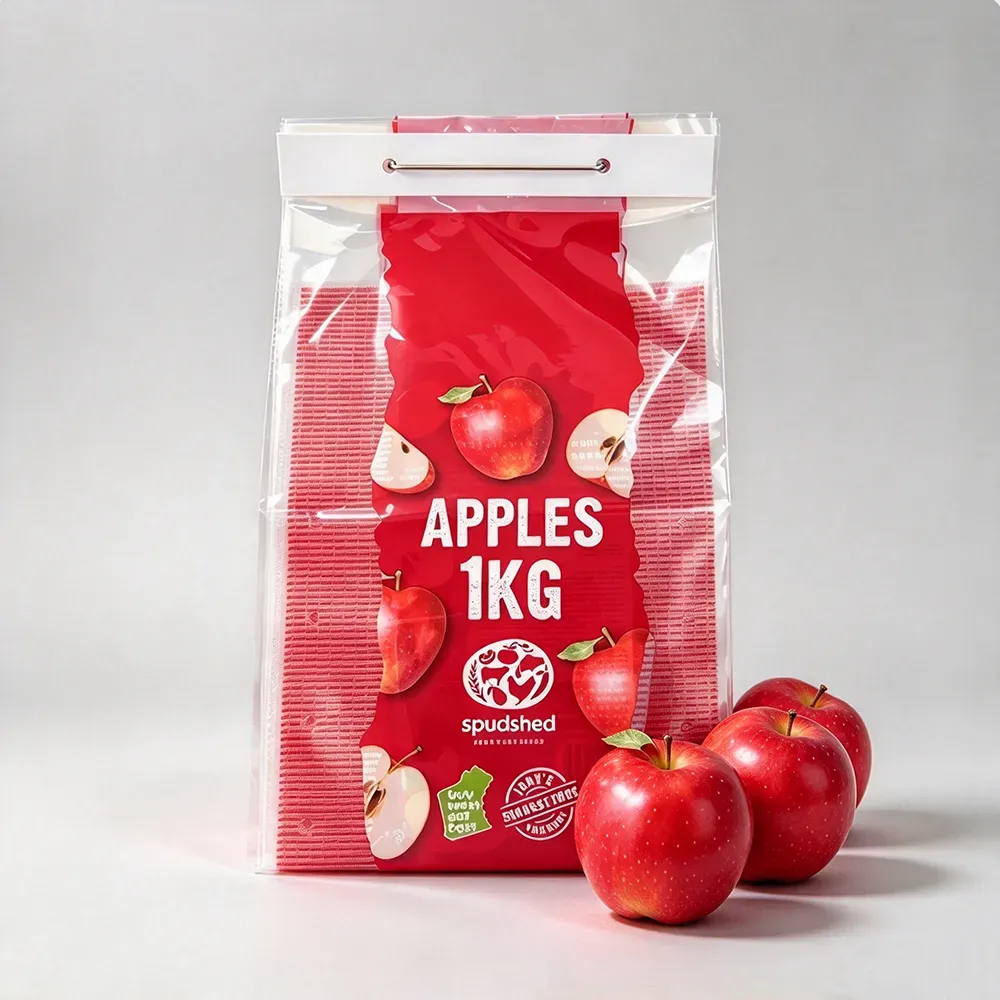
Perforated wicket bags are flexible plastic bags with small openings created during manufacturing. The bags are arranged in a stack and secured to a wicket, making them easy to dispense during manual or compatible automated packing operations.
Perforated Wicket Bags For Fruit are designed for packaging selected fresh produce, including apples, pears, citrus fruits, and other items that require convenient handling and appropriate packaging conditions.
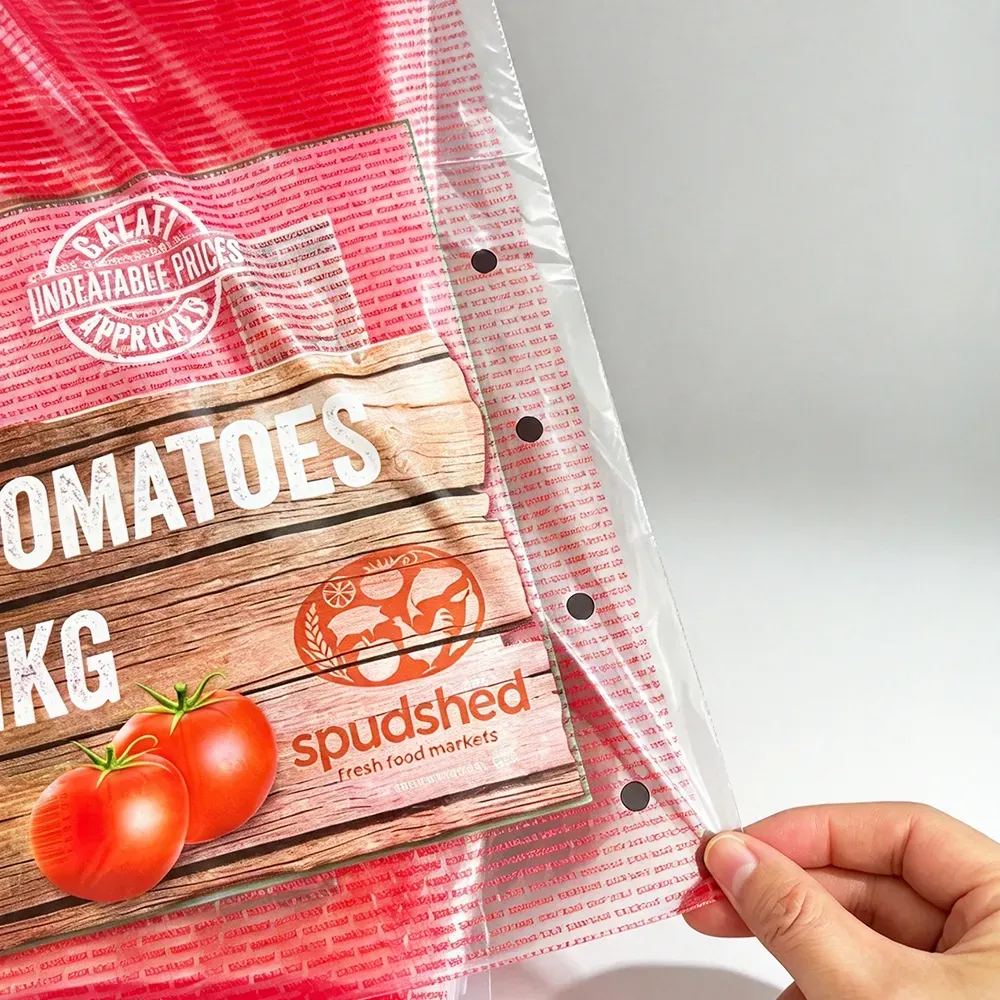
Depending on the application, these bags can be manufactured in different sizes, thicknesses, materials, and perforation patterns. Some designs may also include printed logos, product information, or branding elements.
The wicket structure and perforations serve different purposes. The wicket helps organize and dispense the bags, while the perforations provide openings through which air and moisture vapor may pass. Combining these features can make the bags useful for high-volume fruit packing operations.
Not every fruit requires the same level of ventilation. Buyers should consider the product's respiration rate, moisture sensitivity, storage conditions, and distribution requirements before choosing a perforated bag.
How Do Perforated Wicket Bags Improve Airflow?
1. Allow Air to Move Through the Packaging
Solid plastic bags can restrict direct air exchange between the inside and outside of the package. Adding perforations creates openings that allow air to move through the bag when a suitable pressure difference or airflow is present.
The effectiveness of this exchange depends on the total open area, hole distribution, fruit arrangement, and surrounding airflow. A bag with too few or poorly positioned holes may provide limited ventilation, even if perforations are present.
For businesses packaging fresh produce, Perforated Wicket Bags For Fruit can be customized with different hole patterns to suit particular packaging requirements.
2. Help Release Excess Moisture Vapor
Fresh fruit naturally releases moisture through transpiration. Under some conditions, moisture can accumulate inside packaging, contributing to condensation on the bag surface or fruit.
Perforations can help moisture vapor escape by increasing the opportunity for air exchange. This may reduce moisture accumulation when the bag design and storage conditions are appropriate.
However, ventilation alone cannot guarantee that condensation or spoilage will be prevented. Temperature changes, relative humidity, fruit condition, and handling practices also influence moisture buildup.
Buyers should test packaging under realistic storage and transportation conditions to determine whether the selected perforation pattern provides adequate performance.
3. Support More Suitable Storage Conditions
Fresh fruit continues to respire after harvesting. The fruit consumes oxygen and releases carbon dioxide, water vapor, and heat. Packaging can influence the movement of these gases around the produce.
Perforated bags may support gas exchange with the surrounding environment, depending on their design and the storage conditions. This can be useful when a fruit packaging application requires ventilation rather than a tightly sealed environment.
Nevertheless, the correct packaging depends on the fruit species, maturity, temperature, and intended storage period. Some produce benefits from controlled-atmosphere or modified-atmosphere packaging, which requires a different design approach.
Before choosing Perforated Wicket Bags For Fruit, buyers should confirm whether ordinary ventilation is suitable for the fruit and distribution system.
4. Help Reduce Localized Moisture Buildup
When fruit is packed closely together, moisture can become trapped in areas with limited air movement. Strategically placed perforations may improve air exchange around the package and help reduce localized moisture buildup.
The result depends on how the fruit is arranged and whether the holes remain unobstructed during filling, stacking, and transportation.
For example, if apples press against the perforated areas, some openings may become blocked. Hole placement should therefore be considered alongside bag dimensions, fruit size, and the intended packing method.
What Types of Fruit Can Use Perforated Wicket Bags?
Perforated bags can be used for a range of fresh produce, but the design should match the specific product.
Apples and Pears
Apples and pears are commonly packed in retail and distribution environments. Perforated bags may be suitable where ventilation, product visibility, and convenient handling are important.
The appropriate design depends on the variety, fruit condition, package size, and expected storage duration.
Citrus Fruits
Oranges, lemons, and other citrus fruits may be packaged in perforated bags for retail display and handling. The holes can provide additional opportunities for air exchange, but bag strength and resistance to puncturing should also be considered.
Other Fresh Produce
Depending on the application, perforated wicket bags may also be considered for selected stone fruits and other produce. Highly delicate or moisture-sensitive items may require specialized packaging and more careful testing.
A packaging design suitable for apples should not automatically be assumed suitable for every fruit. Each product has different requirements for ventilation, cushioning, moisture control, and shelf-life management.
How to Choose the Right Perforation Design
The performance of perforated bags depends on more than the presence of holes. Buyers should evaluate several technical factors before placing an order.
Hole Size
Smaller holes may provide limited airflow, while larger holes can increase the open area but may affect package strength or allow unwanted debris to enter. The ideal hole size depends on the fruit, packaging conditions, and desired ventilation.
Number and Distribution of Holes
More holes do not automatically mean better packaging. Their total open area and distribution are important, particularly when bags are filled, stacked, or pressed against other packages.
A manufacturer can help evaluate different patterns, but the final choice should be verified through product testing.
Bag Dimensions
The bag should accommodate the intended fruit quantity without excessive stretching or unnecessary empty space. Proper dimensions can help keep the perforations positioned where they can function effectively.
Film Thickness and Strength
Film thickness influences handling performance, flexibility, and resistance to tearing. A bag that is too thin may fail during filling or transportation, while an unnecessarily thick structure may increase material costs.
The best specification balances durability, packaging efficiency, and the intended use.
Compatibility with Packing Equipment
For high-volume operations, buyers should confirm that the wicket dimensions, bag opening, and perforation design are compatible with their packing equipment.
Testing samples on the actual production line can help identify problems before a large order is manufactured.
Which Materials Are Suitable for Perforated Fruit Wicket Bags?
Material selection affects flexibility, strength, clarity, and processing performance.
Polyethylene (PE)
Polyethylene is widely used in flexible plastic packaging. Depending on the grade and film structure, PE bags can provide useful flexibility and toughness for produce handling.
PE is a potential choice for perforated fruit bags when the material specification meets the product's strength, clarity, and applicable food-contact requirements.
Low-Density Polyethylene (LDPE)
LDPE is a flexible type of polyethylene commonly used in plastic bags and film applications. It may be suitable where flexibility and easy handling are important.
The appropriate grade and thickness should be selected according to the intended packaging conditions.
Polypropylene (PP)
Polypropylene can offer a different stiffness and clarity profile from polyethylene. It may be considered for selected packaging designs when its properties are suitable for the product and packing equipment.
Not every material is compatible with every fruit packaging application. Buyers should discuss the material, thickness, perforation pattern, and food-contact documentation with the manufacturer before confirming an order.
Key Benefits of Perforated Wicket Bags For Fruit
Convenient and Efficient Packing
The wicket arrangement keeps bags organized and allows workers to remove them individually. This can reduce the handling needed to separate loose bags and support a more consistent packing workflow.
Improved Product Presentation
Transparent film can allow customers to see the fruit while perforations provide ventilation openings. Custom printing can add a logo, brand colors, or product information without requiring the entire bag to be opaque.
Flexible Customization
Manufacturers may offer different bag sizes, film thicknesses, printing options, and perforation patterns. These choices help businesses tailor packaging to their product and packing environment.
Support for Appropriate Ventilation
When correctly designed for the application, perforations can provide additional pathways for air exchange and moisture vapor movement. This may help packaging perform more appropriately under the intended conditions.
These benefits are not automatic. The actual outcome depends on the bag specification, fruit type, packing method, and storage environment.
How to Choose a Reliable Perforated Wicket Bag Manufacturer
Finding a suitable manufacturer is important for maintaining consistent specifications and reliable supply.
Before ordering Perforated Wicket Bags For Fruit, consider the following factors:
Customization capabilities: Confirm whether the supplier can provide the required dimensions, thickness, perforation pattern, wicket style, and printing options.
Material quality: Ask about material specifications and quality-control procedures for thickness, dimensions, sealing, and perforation consistency.
Food-contact compliance: If the bags directly contact fresh fruit, request applicable declarations and test reports for the intended market. Ensure that the documents correspond to the actual material and product.
Sample testing: Review samples and test them under realistic packing, storage, and transportation conditions. If automated equipment is used, confirm compatibility before approving bulk production.
Minimum order quantity: Ask for the MOQ, unit price, printing setup costs, and any additional tooling charges.
Production lead time: Confirm manufacturing schedules, packaging methods, shipping arrangements, and expected delivery dates.
A reliable supplier should be able to explain the available specifications and help buyers select a practical solution rather than recommending the same design for every fruit.
Frequently Asked Questions
1. Do Perforated Wicket Bags For Fruit Improve Airflow?
They can improve air exchange by creating openings in the plastic film. The actual airflow depends on hole size, number, distribution, fruit arrangement, and surrounding conditions.
2. Can Perforated Bags Help Reduce Condensation?
They may help moisture vapor escape under suitable conditions. However, condensation also depends on temperature, humidity, fruit respiration, and handling. Testing is needed to assess the actual result.
3. Can These Bags Be Custom Printed?
Many manufacturers offer custom printing for compatible wicket bag designs. Buyers should confirm the printable area, logo placement, colors, and production requirements before approving artwork.
4. Are Perforated Wicket Bags Suitable for Automated Packing?
They can be used with compatible packing equipment. Wicket dimensions, bag opening, film properties, and machine requirements should be checked before ordering.
5. What Information Is Needed to Request a Quotation?
Provide the bag dimensions, material, thickness, perforation requirements, printing details, order quantity, and delivery destination. If possible, include the fruit type and packing-line specifications.
Conclusion
Perforated wicket bags combine convenient bag dispensing with openings that allow air exchange through flexible plastic packaging. When designed for the intended fruit and storage conditions, they may help support ventilation and moisture management while maintaining an efficient packing workflow.
For growers, distributors, and retailers, Perforated Wicket Bags For Fruit can be customized according to fruit type, bag dimensions, film material, hole pattern, and branding requirements.
Before placing a bulk order, evaluate the fruit's ventilation needs, confirm food-contact compliance, and test samples under actual operating conditions. Working with an experienced manufacturer can help you select packaging that balances airflow, durability, product presentation, and cost.
