


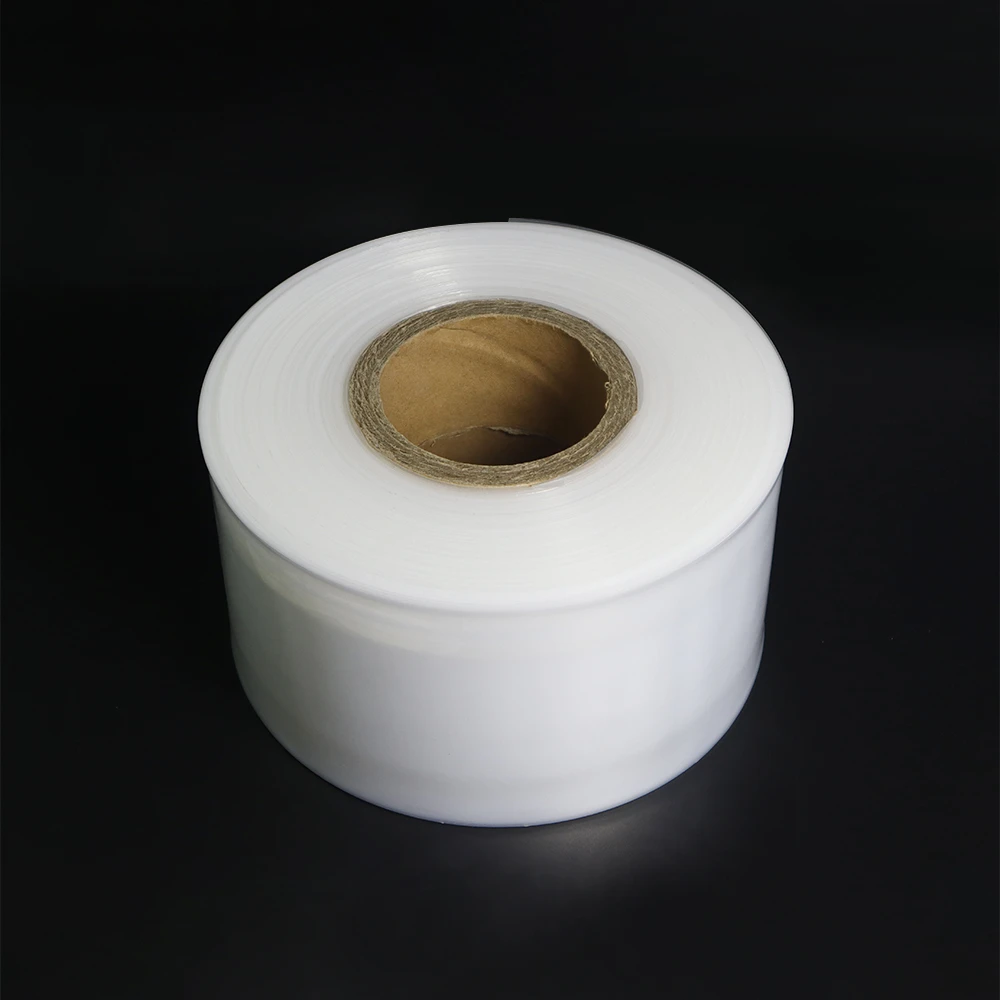
Lay Flat Poly Tubing is a versatile plastic packaging solution widely used in industrial, commercial, and retail applications. Unlike pre-made plastic bags, lay flat poly tubing is supplied in continuous rolls, allowing users to cut the required length and seal both ends according to the size and shape of different products. This flexible packaging method helps reduce material waste, improve packaging efficiency, and provide customized protection for various products.
However, choosing the right lay flat poly tubing is not simply about selecting a plastic film roll. Factors such as material type, thickness, width, length, sealing method, product requirements, and application environment all influence packaging performance. Selecting the wrong tubing may result in insufficient protection, increased costs, or packaging failures.
This article explains the key factors businesses should consider when choosing lay flat poly tubing for industrial and commercial packaging.
1. Understand What Lay Flat Poly Tubing Is
Lay flat poly tubing is a continuous polyethylene film tube manufactured through blown film extrusion. During production, plastic resin is melted and formed into a tubular film structure, which is then flattened and rolled for convenient storage and use.
The tubing has two open sides and allows users to create custom-sized packaging by:
Cutting the required length
Inserting the product
Heat sealing one or both ends
Using tape, clips, or other closure methods
Compared with traditional plastic bags, lay flat tubing offers greater flexibility because one roll can accommodate products with different lengths and dimensions.
Common applications include:
Industrial parts packaging
Furniture protection
Metal product packaging
Electronic component packaging
Food and agricultural packaging
Shipping and warehouse protection
Long or irregular-shaped products
2. Choose the Right Material: HDPE, LDPE, or LLDPE
The first consideration when selecting lay flat poly tubing is the plastic material.
Different polyethylene materials provide different characteristics.
LDPE Lay Flat Poly Tubing
Low-Density Polyethylene (LDPE) is the most commonly used material for flexible packaging.
Advantages:
Excellent flexibility
Good transparency
Soft texture
Strong sealing performance
Good impact resistance
LDPE tubing is ideal for products requiring easy wrapping and a clear presentation.
Typical applications:
Clothing packaging
Retail products
Furniture covers
General industrial packaging
HDPE Lay Flat Poly Tubing
High-Density Polyethylene (HDPE) provides higher stiffness and strength.
Advantages:
Higher tensile strength
Better puncture resistance
Lower material cost
Lightweight structure
HDPE tubing is commonly used for products that require stronger protection but do not need high flexibility.
Typical applications:
Industrial components
Hardware packaging
Agricultural products
Heavy-duty applications
LLDPE Lay Flat Poly Tubing
Linear Low-Density Polyethylene (LLDPE) is often blended with LDPE to improve toughness.
Advantages:
Excellent tear resistance
Better stretchability
Higher durability
It is suitable for demanding packaging environments where bags may experience pulling, impact, or rough handling.
3. Select the Correct Tubing Width
Width is one of the most important factors affecting packaging efficiency.
Lay flat tubing width refers to the flattened width of the tube before opening.
To choose the correct width, consider the product's:
Maximum diameter
Height
Shape
Required clearance
The tubing should be slightly larger than the product size to allow easy loading and sealing.
For example:
A product with a width of 300 mm should not use exactly 300 mm tubing because there will be no room for insertion or sealing. Additional space should be considered based on product shape and packaging requirements.
For irregular products, selecting a wider tubing size provides greater flexibility and reduces the risk of tearing.
4. Choose the Appropriate Thickness
Film thickness directly affects durability and protection.
Lay flat poly tubing is usually measured in:
Microns (μm)
Mil
Different applications require different thickness levels.
Thin Gauge Tubing
Suitable for:
Lightweight products
Dust protection
Short-term packaging
Advantages:
Lower cost
Less material consumption
Easier handling
Medium Gauge Tubing
Suitable for:
General commercial packaging
Shipping protection
Industrial products
This is the most common thickness range because it balances strength and cost.
Heavy Gauge Tubing
Suitable for:
Large industrial components
Heavy products
Products with sharp edges
Advantages:
Higher puncture resistance
Better load capacity
Improved protection during transportation
Choosing excessive thickness increases cost and material usage, while insufficient thickness may cause damage during handling. Therefore, thickness should match the actual packaging requirements.
5. Consider Transparency and Appearance Requirements
Appearance can be an important factor, especially for retail packaging.
Clear lay flat poly tubing provides:
Product visibility
Professional appearance
Easy identification
It is commonly used for:
Clothing
Consumer products
Display packaging
For industrial applications where appearance is less important, natural or translucent film may be a more economical choice.
Some manufacturers also provide colored tubing or custom printed tubing for branding and product identification.
6. Evaluate Sealing Methods
Different products require different sealing methods.
Common closure options include:
Heat Sealing
Heat sealing is the most popular method for industrial packaging.
Advantages:
Strong sealing strength
Fast operation
Suitable for automatic packaging lines
Tape Sealing
Suitable for:
Temporary packaging
Warehouse applications
Manual packing operations
Twist Tie or Clip Closure
Commonly used for:
Agricultural products
Reusable packaging
Before selecting tubing, businesses should confirm whether their existing packaging equipment is compatible with the tubing material and thickness.
7. Consider Application Environment
The working environment also affects tubing selection.
Cold Environment
For frozen products or cold storage applications, the film must maintain flexibility at low temperatures.
LLDPE or specially formulated LDPE materials are often preferred.
Outdoor Storage
Products exposed to sunlight may require UV-resistant additives to prevent film degradation.
Heavy Handling Conditions
For products that experience transportation pressure, vibration, or impact, thicker tubing with higher tear resistance is recommended.
8. Custom Options for Commercial Applications
Professional lay flat poly tubing manufacturers usually offer various customization options, including:
Custom width
Custom thickness
Custom roll length
Printed logos
Special colors
Anti-static treatment
UV protection
Food-grade materials
Custom tubing allows companies to optimize packaging performance while improving brand recognition.
For example, manufacturers may choose printed tubing for product identification or branded packaging, while industrial companies may select anti-static tubing for electronic components.
9. Work with an Experienced Lay Flat Poly Tubing Manufacturer
Choosing the right supplier is just as important as choosing the right tubing specifications.
A reliable manufacturer should provide:
Consistent film quality
Accurate thickness control
Stable production capacity
Customized solutions
Quality inspection reports
Professional technical support
Experienced manufacturers can help customers select the correct material, thickness, and dimensions based on their specific packaging requirements.
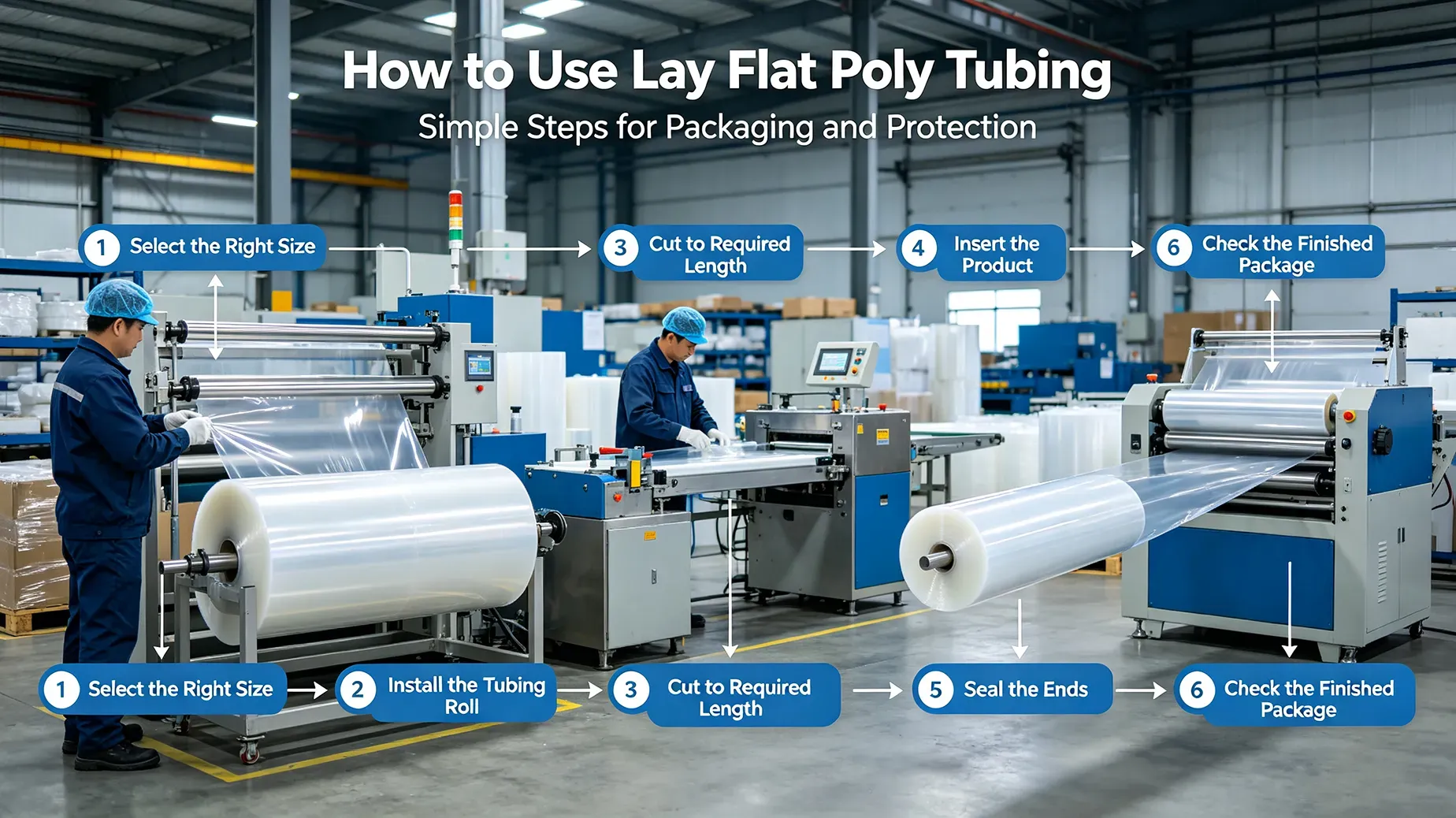
How to Use Lay Flat Poly Tubing (Simple Steps)
Select the Right Size
Choose the proper width and thickness based on the product size and protection requirements.
Install the Tubing Roll
Place the poly tubing roll on the dispenser or packaging machine and adjust the film tension.
Cut to Required Length
Cut the tubing according to the product length using a manual cutter or automatic cutting machine.
Insert the Product
Place the product inside the open-ended tubing and adjust its position.
Seal the Ends
Use heat sealing, tape, or clips to close both ends of the tubing.
Check the Finished Package
Inspect the seal strength, appearance, and packaging quality before storage or shipment.
Conclusion
Selecting the right lay flat poly tubing requires careful consideration of multiple factors, including material type, tubing width, thickness, sealing method, application environment, and customization requirements.
LDPE tubing offers flexibility and excellent sealing performance, HDPE provides strength and cost efficiency, while LLDPE improves toughness and durability. The correct combination of size and thickness ensures reliable product protection while controlling packaging costs.
Whether used for industrial components, commercial products, shipping protection, or specialized applications, properly selected lay flat poly tubing provides an efficient, flexible, and economical packaging solution for modern businesses.
