


Pharmacies and hospitals need reliable packaging solutions to organize, identify, and distribute medications efficiently. Choosing the right Plastic Pill Bags can help improve medication handling, simplify inventory management, and support clear labeling. For pharmacies, hospitals, pharmaceutical distributors, and medical supply wholesalers, customized bags can also provide a consistent packaging appearance and meet specific operational requirements.
However, selecting the right packaging involves more than adding a logo. Buyers need to consider material selection, bag dimensions, thickness, closure options, printing, labeling, quality standards, and order quantities. Understanding these factors helps businesses work with manufacturers to develop packaging that fits their daily operations.
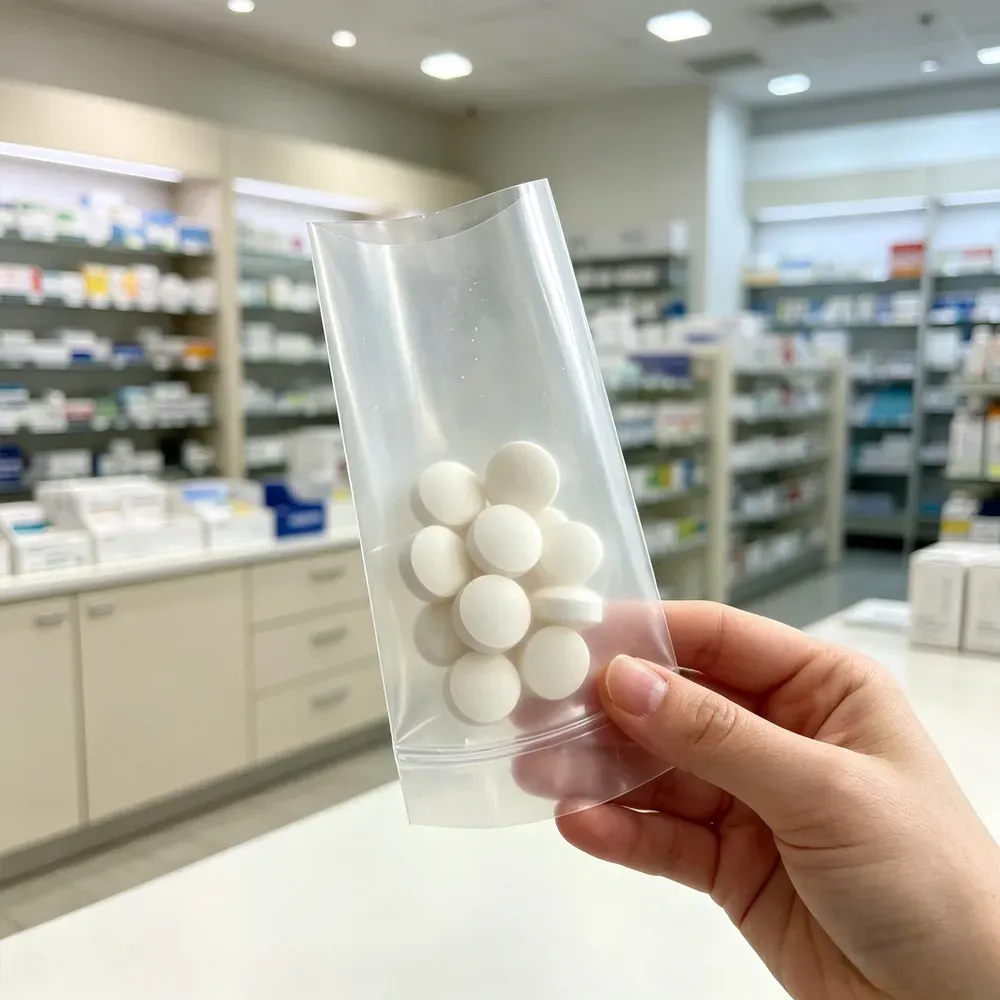
1. Why Customize Plastic Pill Bags?
Standard packaging may not meet every pharmacy's or hospital's requirements. Different medications, dispensing procedures, and storage systems can require different bag sizes, closure methods, and labeling areas.
Customized Plastic Pill Bags allow buyers to specify the features that matter most to their operations. For example, a retail pharmacy may prioritize compact sizes and easy-to-read printed information, while a hospital purchasing department may focus on consistent specifications, bulk supply, and efficient storage.
Customization can also help businesses establish a recognizable packaging style. Printed logos, brand colors, and standardized layouts make it easier to maintain consistency across multiple branches or facilities.
Before placing an order, buyers should identify the intended application and determine whether the bags will hold tablets, capsules, medication containers, or other items. Packaging requirements may differ depending on the product and whether the bag will directly contact the medication.
2. Choose the Right Material
Material selection is one of the most important steps when customizing Plastic Pill Bags. The material affects flexibility, clarity, durability, sealing performance, and overall cost.
Polyethylene (PE)
Polyethylene is commonly used for flexible plastic bags. LDPE offers softness and flexibility, while HDPE generally provides a firmer feel. Both may be suitable for certain secondary packaging applications, depending on the required performance and specifications.
Polypropylene (PP)
Polypropylene can offer good clarity and stiffness for suitable packaging applications. It may be considered when product visibility is important, although the final choice depends on bag construction and intended use.
Other Material Options
Multilayer films or specialized structures may be considered when additional barrier properties are required. Buyers should discuss moisture resistance, chemical compatibility, sealing performance, and applicable regulatory requirements with the manufacturer.
For medication packaging, material suitability must be evaluated for the actual application. A bag intended to hold an outer medication container may have different requirements from packaging designed for direct contact with tablets or capsules. Buyers should request relevant technical documentation and confirm applicable compliance requirements before production.
3. Select Suitable Bag Sizes and Thicknesses
The dimensions of Plastic Pill Bags should match the products they will contain. Bags that are too small may be difficult to load or seal, while oversized bags can waste material and storage space.
Common customization options include:
Small bags for individual dispensing applications
Medium bags for several tablets or capsules
Larger bags for grouped items or medication accessories
Custom dimensions for specific containers or dispensing systems
These are application categories rather than universal size standards. Buyers should provide the actual dimensions of the intended contents and allow sufficient space for loading, closure, and labeling.
Thickness is another important consideration. A thicker film may improve handling durability, but it can also increase material consumption and cost. The appropriate thickness depends on the bag size, load, sealing method, and expected handling conditions.
Before approving a bulk order, request samples in the proposed dimensions and thickness. Test them under realistic handling conditions to determine whether they meet operational needs.
4. Customize Printing and Labeling
Printing can make Plastic Pill Bags easier to identify and help pharmacies maintain a consistent brand image. Depending on the application, customization may include a company logo, brand colors, supplier information, or general handling instructions.
Common printing options include:
Company logos and brand names
Single-color or multicolor designs
Standardized identification areas
Preprinted instructions where appropriate
Custom layouts that leave sufficient room for variable information
For pharmacy and hospital applications, label readability is especially important. Buyers should consider the space needed for medication names, patient identifiers, dosage instructions, dates, or other information required by their procedures.
If variable information will be added after production, the bag surface must be compatible with the intended labels, markers, or printing equipment. Testing helps confirm that text remains readable and labels adhere properly.
Avoid printing sensitive patient information directly on bulk packaging unless the process has been reviewed for privacy, security, and regulatory compliance. Patient-specific instructions should be managed through the facility's approved dispensing and labeling procedures.
5. Choose the Appropriate Closure
The closure affects how easily a bag can be opened, closed, stored, and handled. Buyers should choose an option that matches the intended packaging function rather than assuming that one closure works for every application.
Open-Top Bags
Open-top bags are simple and economical for suitable secondary packaging uses. They can be closed later using an approved sealing or labeling process.
Resealable Bags
Resealable bags feature a closure that can be opened and closed repeatedly. They may be useful for selected storage and organization applications, provided the closure meets the intended requirements.
Heat-Sealable Bags
Heat-sealable bags can be closed using compatible sealing equipment. Buyers should verify the film's sealing temperature, seal strength, and compatibility with their packaging process.
A resealable closure or heat seal does not automatically make a bag child-resistant, tamper-evident, sterile, or suitable for direct pharmaceutical contact. These characteristics require appropriate design, testing, and verification. Pharmacies and hospitals should select packaging according to their applicable safety procedures and regulations.
6. Consider Custom Colors and Branding
Color customization can help distinguish packaging types, departments, or internal workflows. For example, a facility may use different colors for inventory categories or departments when its procedures permit.
However, colors should not replace clear written identification. Buyers should establish a consistent color system and ensure it does not conflict with existing medication safety practices.
Manufacturers may offer natural, transparent, or selected colored films depending on the material and production process. Color availability, minimum order quantities, and printing methods should be confirmed before the design is finalized.
For businesses ordering branded Plastic Pill Bags, artwork should be supplied in an appropriate digital format. The manufacturer can then review print dimensions, color requirements, layout, and production feasibility before preparing a proof for approval.
7. Check Quality and Compliance Requirements
Quality control is essential when purchasing packaging for pharmacies and hospitals. Buyers should define the required specifications before production and confirm how the supplier will verify them.
Important inspection points may include:
Bag length, width, and film thickness
Seal strength and closure performance
Printing accuracy and legibility
Appearance, cleanliness, and visible defects
Packaging integrity during transportation
Batch identification and traceability, where required
Ask the manufacturer for relevant material specifications, test reports, and compliance documentation applicable to the intended use. Requirements depend on the destination market, packaging function, and whether the product directly contacts medication.
Do not assume that all Plastic Pill Bags are pharmaceutical-grade or sterile. If the application requires direct drug contact, specialized barrier performance, or validated cleanliness, these requirements should be clearly specified and independently verified as appropriate.
8. Understand MOQ, Pricing, and Lead Time
The cost of customized Plastic Pill Bags depends on several factors, including material type, bag dimensions, thickness, printing colors, closure design, order quantity, and packaging requirements.
Custom printing may involve artwork preparation or setup costs. More complex designs and specialized film structures can also increase production costs. Larger orders may reduce the unit price, although buyers should consider storage costs and the risk of ordering more packaging than they can use.
Minimum order quantities (MOQs) vary by manufacturer and customization method. Before requesting a quotation, provide the supplier with the following information:
Required bag dimensions and thickness
Material type and intended application
Printing artwork and number of colors
Closure type and additional features
Estimated order quantity and delivery destination
Ask for a sample, production timeline, and shipping estimate alongside the unit price. Comparing quotations on the basis of the same specifications makes it easier to evaluate suppliers fairly.
9. Work with a Reliable Plastic Pill Bags Manufacturer
A reliable manufacturer should be able to explain available materials, recommend practical specifications, and provide clear information about production capabilities.
When evaluating suppliers, consider their experience with customized flexible packaging, sample quality, communication, quality-control procedures, and ability to maintain consistent specifications across repeat orders.
It is also useful to ask whether the manufacturer can support artwork revisions, custom dimensions, packaging requirements, and documentation requests. For large hospital groups or pharmacy chains, consistent production across multiple orders may be particularly important.
Before approving mass production, review the final artwork and sample carefully. Confirm all dimensions, printing details, closure specifications, and agreed quality requirements in writing. This step can reduce misunderstandings and help prevent costly production errors.
10. A Practical Customization Process
Customizing Plastic Pill Bags is easier when buyers follow a structured process.
Step 1: Define the application. Identify what the bags will contain and whether they are intended for primary or secondary packaging.
Step 2: Confirm specifications. Select the material, dimensions, thickness, closure, and labeling area.
Step 3: Prepare the artwork. Provide the logo, colors, text, and layout requirements.
Step 4: Request samples and a quotation. Evaluate product performance and compare costs using consistent specifications.
Step 5: Approve the final design. Check the sample, artwork, documentation, and production details before placing the order.
Step 6: Inspect the delivered goods. Verify that the shipment matches the approved specifications and agreed quality criteria.
Following these steps helps pharmacies, hospitals, distributors, and wholesalers make informed purchasing decisions.
Conclusion
Customizing Plastic Pill Bags for pharmacies and hospitals requires careful consideration of materials, dimensions, thickness, printing, closures, quality control, and regulatory requirements. The right specifications can improve packaging consistency, support efficient handling, and help organizations manage their supply chains more effectively.
For bulk buyers, the best approach is to define the intended application first, request samples, confirm compliance requirements, and compare quotations based on consistent specifications. Working with an experienced manufacturer can help ensure that customized packaging meets practical needs while balancing quality, cost, and production efficiency.
If your pharmacy, hospital, or distribution business needs customized packaging, prepare your specifications and contact a qualified manufacturer to discuss available options, samples, pricing, and lead times.
