


What Are Micro Perforated Bags?
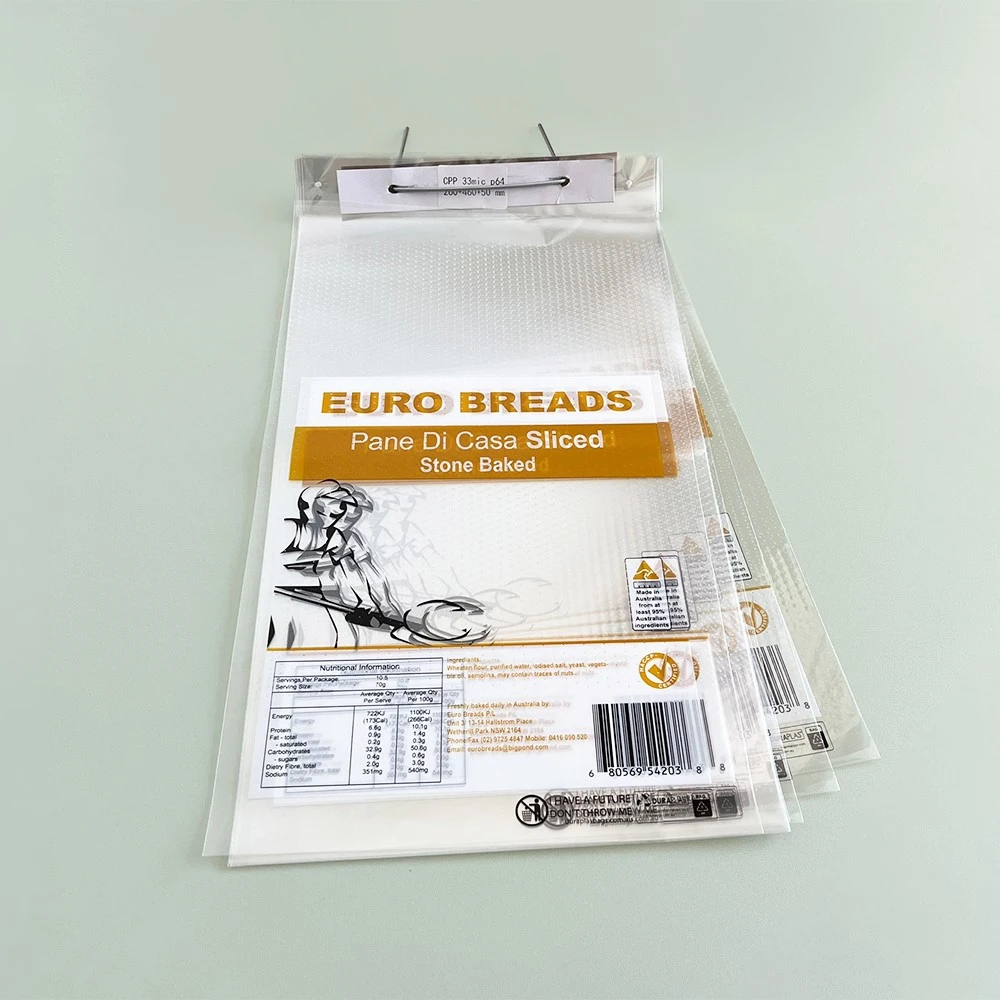
Micro perforated bags are plastic packaging bags manufactured with extremely small holes distributed evenly across the film surface. These microscopic perforations allow air, oxygen, and moisture to pass through while keeping products protected inside the bag.
Unlike standard plastic bags, which completely seal the product environment, a micro perforated bag creates a controlled atmosphere that helps reduce condensation and maintain freshness.
The size, quantity, and distribution of micro holes can be customized according to different product requirements. For example:
Vegetables require higher ventilation rates.
Fruits may need balanced airflow and moisture control.
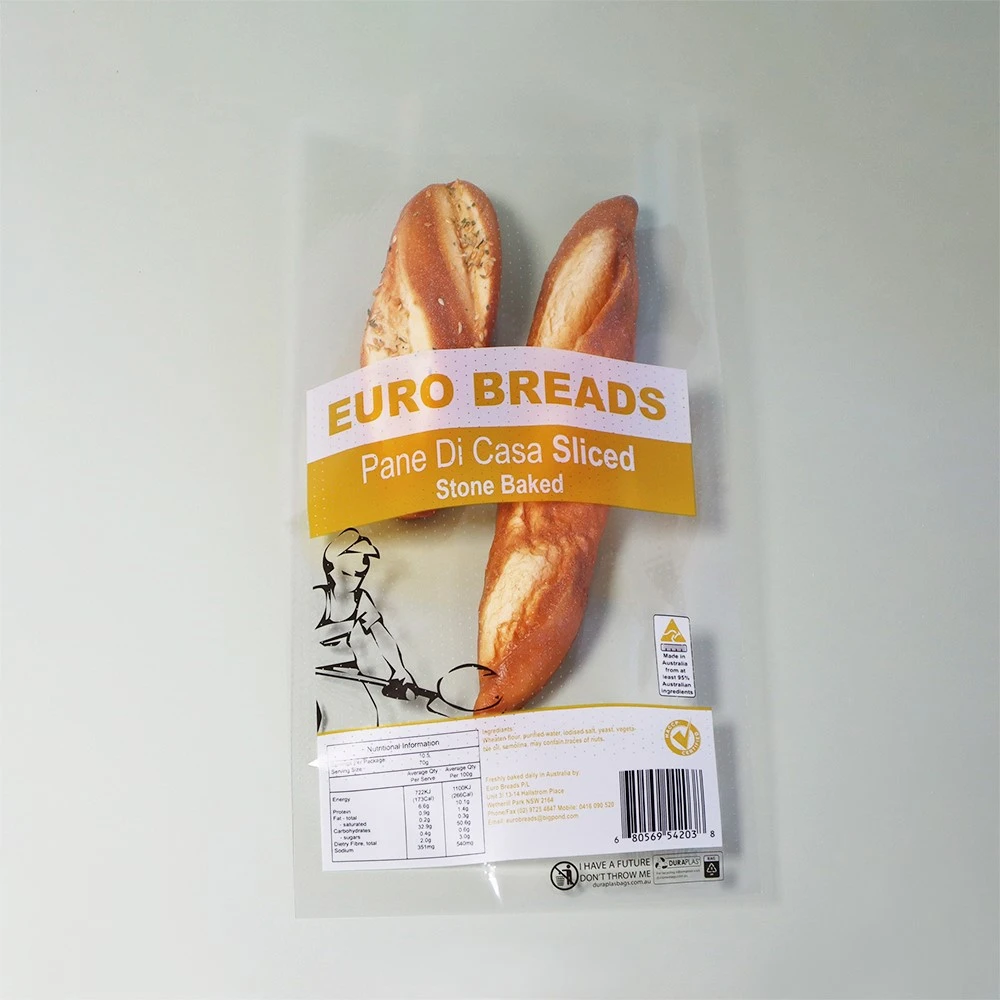
Bakery products require moderate ventilation to maintain texture.
As a professional micro perforated bag manufacturer, suppliers can customize bag dimensions, thickness, printing, sealing methods, and perforation patterns based on customer needs.
Micro Perforated Bag: Context And History
Traditional plastic packaging provides excellent protection but often limits air circulation. For fresh products such as vegetables, fruits, and flowers, excessive moisture can lead to condensation, mold growth, and faster deterioration.
With the development of modern packaging technology, manufacturers introduced the micro perforated bag to solve these problems. By creating extremely small ventilation holes in plastic films, these bags allow oxygen and moisture exchange while still protecting products from contamination and physical damage.
Today, the micro perforated bag has become an important packaging solution for fresh food supply chains, agricultural industries, and retail markets worldwide.
Micro Perforated Bags Vs Standard Plastic Bags
| Feature | Micro Perforated Bag | Standard Plastic Bag |
|---|---|---|
| Air circulation | Excellent ventilation through micro holes | Limited airflow |
| Moisture control | Reduces condensation | May trap moisture |
| Freshness preservation | Helps extend product shelf life | Shorter freshness period |
| Application | Fresh food, agriculture, flowers | General packaging |
| Customization | Perforation size and pattern available | Mainly size and printing |
How Do Micro Perforated Bags Work?
The main function of micro perforated bags is controlled ventilation.
The tiny holes in the plastic film create a pathway for:
Oxygen Exchange
Fresh products continue natural respiration after harvesting. Micro perforations allow oxygen to enter and carbon dioxide to escape, helping maintain product quality.
Moisture Control
Excess moisture inside sealed packaging can cause condensation and accelerate spoilage. The breathable structure of these bags helps release humidity.
Temperature Balance
During transportation and cold storage, airflow helps reduce temperature differences inside the package.
Freshness Protection
By maintaining a better internal environment, micro perforated bags can help extend the shelf life of fresh products.
Materials Used in Micro Perforated Bags
The material selection of micro perforated bags directly affects strength, flexibility, transparency, and packaging performance.
LDPE (Low-Density Polyethylene)
LDPE is one of the most commonly used materials for breathable packaging bags.
Advantages:
- Excellent flexibility
- Good transparency
- Soft touch feeling
- Strong sealing performance
Applications:
Fruits
Vegetables
Bakery products
Fresh food packaging
HDPE (High-Density Polyethylene)
HDPE provides higher strength and better resistance against tearing and puncture.
Advantages:
Durable structure
Lightweight
Cost-effective
Applications:
Agricultural products
Heavy fresh produce
Industrial packaging
Recycled PE Materials
For customers focusing on sustainability, recycled polyethylene materials can be used to produce environmentally responsible packaging solutions.
Advantages:
Supports recycling goals
Reduces plastic waste
Suitable for sustainable packaging programs
Bio-Based Materials
Some micro perforated bags can also be produced using bio-based or compostable materials such as PLA, depending on application requirements.
Key Features
Excellent Breathability
The biggest advantage of micro perforated bags is their controlled airflow capability. The tiny holes allow products to breathe while maintaining packaging protection.
Moisture Management
The ventilation design helps reduce water accumulation inside the bag and minimizes condensation problems.
Strong Product Protection
Although perforated, the bags maintain excellent durability and tear resistance.
Flexible Customization
A professional manufacturer can customize:
Bag size
Thickness
Material
Printing design
Perforation density
Packaging method
Food Packaging Safety
Food-grade raw materials can be selected for applications requiring direct contact with fresh food.
Benefits of Using Micro Perforated Bags for Packaging
Extend Product Freshness
Fresh produce continues to release moisture after harvesting. The breathable structure of micro perforated bags helps maintain freshness during storage and transportation.
Reduce Food Waste
Better packaging conditions can reduce spoilage caused by excessive humidity and poor ventilation.
Improve Product Appearance
Vegetables, fruits, and flowers remain visually attractive when moisture and airflow are properly controlled.
Improve Transportation Efficiency
Lightweight plastic construction makes these bags suitable for large-scale distribution and retail packaging.
Support Customized Branding
Printing options allow businesses to display logos, product information, and brand designs.
Applications of Micro Perforated Bags
Fresh Fruit Packaging
Micro perforated bags are commonly used for:
Apples
Grapes
Oranges
Strawberries
Berries
The ventilation structure helps maintain fruit quality during transportation.
Vegetable Packaging
Popular applications include:
Lettuce
Carrots
Potatoes
Onions
Leafy vegetables
The bags help reduce moisture buildup and maintain freshness.
Agricultural Packaging
Farmers and distributors use breathable packaging solutions for harvesting, storage, and transportation.
Flower Packaging
Flowers require airflow to prevent moisture accumulation. Micro perforated packaging helps protect appearance and freshness.
Bakery Packaging
Some bakery products require controlled ventilation to prevent excessive humidity while maintaining softness.
Micro Perforated Bags vs Regular Plastic Bags
| Feature | Micro Perforated Bags | Regular Plastic Bags |
|---|---|---|
| Air circulation | Excellent | Limited |
| Moisture control | Better humidity management | Moisture may accumulate |
| Freshness protection | Helps extend shelf life | Faster quality reduction |
| Application | Fresh food and agriculture | General packaging |
| Custom options | Size, holes, thickness, printing | Mainly size and printing |
For products that require airflow, micro perforated bags provide better packaging performance than standard sealed plastic bags.
Manufacturing Process of Micro Perforated Bags
A professional micro perforated bag manufacturer usually follows a complete production process to ensure consistent quality.
1. Raw Material Preparation
High-quality PE materials are selected according to product requirements.
↓
2. Film Blowing
Plastic resin is melted and formed into plastic film rolls with controlled thickness.
↓
3. Printing
Custom logos, product information, and designs are printed on the film.
↓
4. Micro Perforation
Precision equipment creates evenly distributed microscopic holes on the film surface.
↓
5. Bag Making
The film is converted into finished bags through cutting and sealing processes.
↓
6. Quality Inspection
Finished bags are tested for:
Thickness
Size accuracy
Seal strength
Appearance
Perforation quality
↓
7. Packaging and Shipment
Products are packed according to customer requirements and prepared for delivery.
Common Materials Used In Micro Perforated Bags
| Material | Features | Applications |
|---|---|---|
| LDPE | Flexible, transparent, good sealing performance | Fruits, vegetables, bakery products |
| HDPE | Strong, lightweight, puncture resistant | Agricultural packaging |
| Recycled PE | Eco-friendly and recyclable | Sustainable packaging |
| PLA | Compostable and bio-based option | Green packaging solutions |
How to Choose the Right Micro Perforated Bags?
When purchasing micro perforated bags, businesses should consider several important factors.
Material Selection
Choose suitable materials according to product weight, storage conditions, and application requirements.
Perforation Design
Different products require different ventilation levels. The hole size and density should match the product characteristics.
Bag Size and Thickness
Correct dimensions improve packaging efficiency and reduce material waste.
Printing Requirements
Custom printing can improve brand visibility in retail environments.
Manufacturing Capability
Working with an experienced micro perforated bag manufacturer ensures stable quality, competitive pricing, and reliable delivery.
Why Choose Custom Micro Perforated Bags from a Professional Manufacturer?
Working directly with a factory provides several advantages:
Customized Solutions
Manufacturers can adjust materials, sizes, thicknesses, and perforation designs.
Quality Control
Professional factories conduct inspections throughout production.
Competitive Pricing
Direct factory supply reduces unnecessary costs.
Flexible Production Capacity
Large-volume and customized orders can be efficiently managed.
Technical Support
Experienced suppliers can recommend suitable packaging solutions based on product requirements.
Conclusion
Micro perforated bags provide an effective solution for fresh product packaging by combining protection, ventilation, and moisture control. Compared with traditional plastic bags, they create a better packaging environment for fruits, vegetables, flowers, and agricultural products.
With customizable materials, sizes, printing options, and perforation designs, these breathable plastic packaging solutions meet the needs of modern food and agricultural industries.
For businesses looking for reliable packaging performance, choosing an experienced micro perforated bag manufacturer can help improve product quality, reduce waste, and optimize packaging efficiency.
FAQ
1. What are micro perforated bags used for?
Micro perforated bags are mainly used for fresh produce, vegetables, fruits, flowers, bakery products, and agricultural packaging that require airflow.
2. Are micro perforated bags better than regular plastic bags?
Yes. Compared with regular plastic bags, micro perforated bags provide better ventilation and moisture control, making them more suitable for fresh products.
3. What materials are used for micro perforated bags?
Common materials include LDPE, HDPE, recycled PE, and bio-based materials.
4. Can micro perforated bags be customized?
Yes. Manufacturers can customize sizes, thicknesses, printing designs, colors, sealing methods, and perforation patterns.
5. Are micro perforated bags recyclable?
Many polyethylene-based micro perforated bags can be recycled through proper recycling systems.
6. How do I choose a micro perforated bag manufacturer?
Choose a supplier with advanced production equipment, strict quality control, customization capability, and experience in plastic packaging manufacturing.
